
“I’ll hurt you if you stay.”
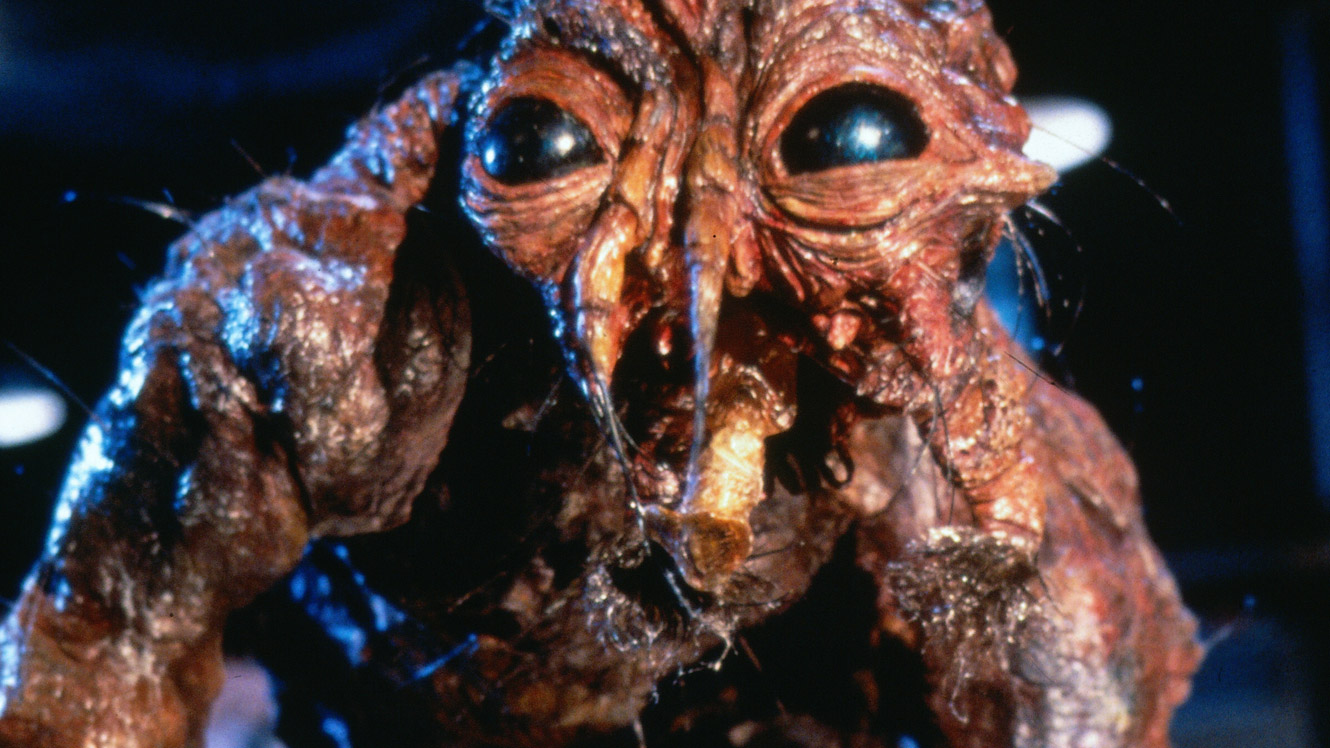
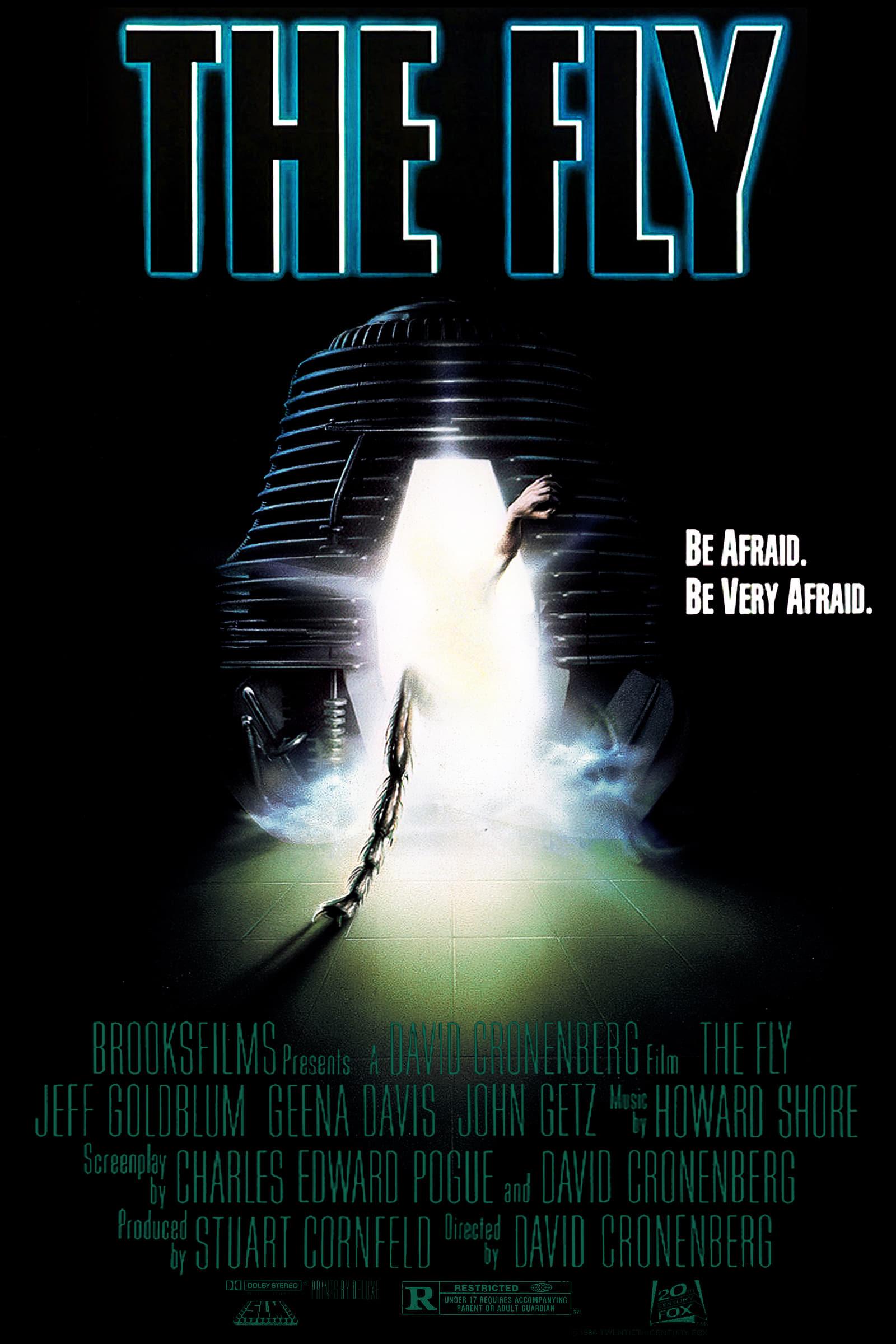
Based upon George Langelaan’s 1957 short story of the same name, 1986’s The Fly tells the story of a young scientist named Seth Brundle (Jeff Goldblum) who develops a pair of telepods that allow him to teleport an item between the two pods. Seth develops a romantic relationship with a scientific journalist named Veronica Quaife (Geena Davis), who he has trusted with his creation. The only problem with Seth’s telepods is that they cannot transport biological material. Inspired by Veronica, Seth ultimately succeeds in teleporting living tissue. He then decides to test the telepods on himself. He is successful, but completely unaware that a fly flew into the pod with him. After the teleportation, Seth begins to exhibit superhuman behavior and a massively increased sex drive. He scares Veronica away when he attempts to force her to go through the teleportation process as well, thinking the the telepods are what made him superhuman. As time passes, Seth begins to exhibit fly-like behavior, such as vomiting on his food to process it. He then starts to mutate into a fly/human hybrid. Determined to heal himself, Seth takes drastic measures to filter the fly DNA out of his body. Thrown in an unborn child and some brilliant special effects thanks to the work of Chris Walas and Stephan Dupuis, and you’ve got a masterpiece of a film on your hands!

Working from a screenplay by Charles Edward Pogue, director David Cronenberg has crafted an amazing science fiction/horror film. It features some genuine scares, brilliant acting, especially from Goldblum, and a great plot. This movie is gory, but doesn’t rely on the gore for scares. The real horror comes from the deconstruction of Seth’s humanity in the film.
This really is an excellent film and I love it. It’s one of my favorite Jeff Goldblum films and it’s pretty high on my Geena Davis list as well, so if you haven’t seen it, I highly recommend it.
I hope that you’re enjoying this year’s Thirty-One Days O’Horror selections. I appreciate you reading my posts.