
Now (And In The Future)
Star Trek has come a long way since its beginnings on the small screen back in the 1960’s. The adventures of Kirk, Spock, Bones, and the rest of the crew of the Enterprise lasted for only three seasons, but ignited a fire within an entire generation of men and women who would grow up to become engineers and astronauts, dreamers and artists, and a multitude of other wonderful things. Star Trek made the individual look outside of himself and into a world full of differences, and gave the individual hope that a world built upon so many different races, religions, and cultures, could live together in some type of harmony.

Flash forward to the late 70’s, and Trek hits the big screen with Star Trek: The Motion Picture. Outside of an animated series and a book series that featured stories from writers of the original series, there wasn’t much Trek going around at the time, but with the success of Star Wars on the big screen, fans were excited to see Star Trek get the film treatment. George Lucas has said that without Trek’s success on the small screen, there never would have been a Star Wars.


The film did well in theaters, but was heavily criticized for being slow and for its reliance on a lot of special effects. It did well enough that Paramount gave the green light to a second film, The Wrath of Khan, that opened the door for more sequels such as Star Trek VI: The Undiscovered Country (my personal favorite).
With the success of the films, talks began about bringing Trek back to the small screen, but not with the beloved crew of the original series. By 1987, a new Enterprise was crossing the stars with a new crew in Star Trek: The Next Generation. I vividly remember older fans believing that it would be impossible for a new group of actors to fill the shoes of the likes of William Shatner, Leonard Nimoy, DeForest Kelley and then watched the same fans begin to trumpet their love for Picard, Riker, Data, and the rest of the new crew.

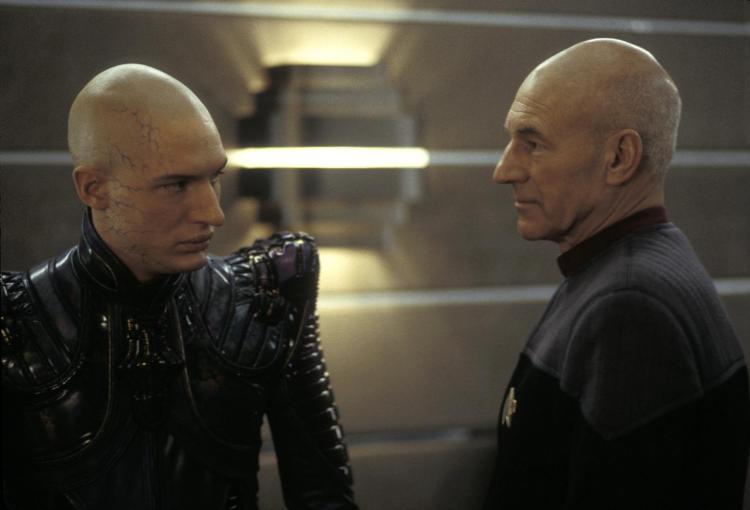
The series was highly successful and is still looked at as one of the top science fiction series of all time. It did so well, in fact, that the TNG crew would go on to make films of their own, each meeting with varying degrees of success. The show’s success would also open the doors for even more shows like Star Trek: Deep Space Nine and Star Trek: Voyager.

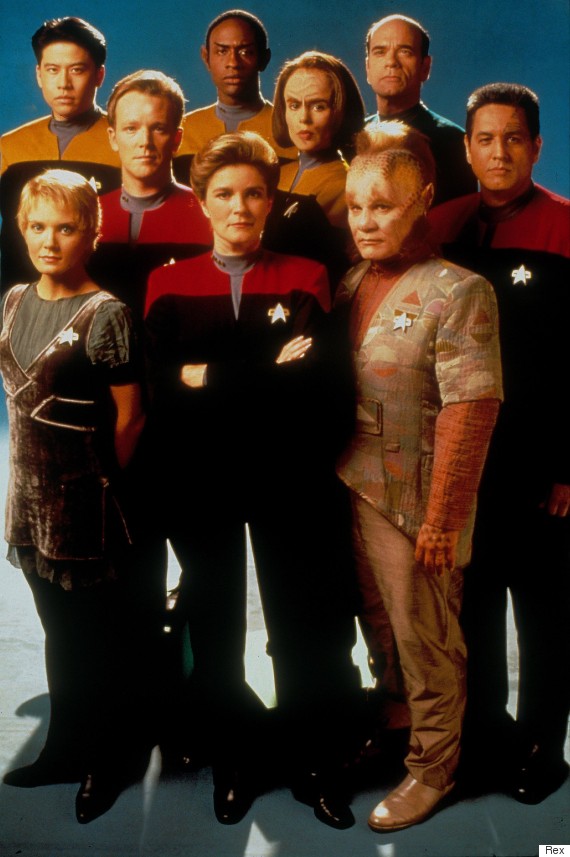
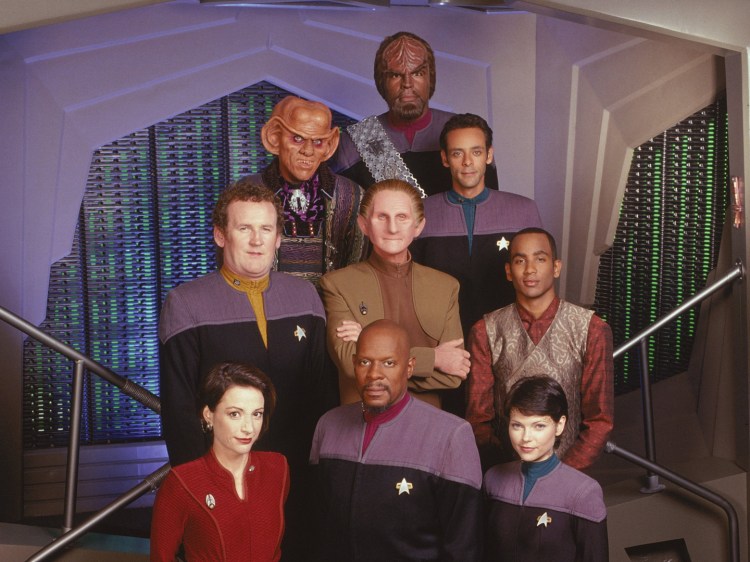

Another series, Enterprise, was also spawned from the success of TNG, DS9, and Voyager. However, it was met with heavy criticism from both fans and the media. It’s viewing numbers declined with each season, and while its three predecessors managed to each last for seven seasons, Enterprise was cancelled after only four seasons. Its finale, in fact, is one of the least liked shows in all of Trekdom.

In 2009, Paramount released the highly anticipated Star Trek film that brought Kirk and co. back to the big screen, albeit with new, younger actors taking on the roles. For the most part, it was successful, but many fans felt that the film, despite its flashy sequences and solid performances from the majority of the cast, had lost Gene Roddenberry’s vision. Much like The Motion Picture, it was criticized for using too many special effects. It was also criticized for changing the timeline of the original crew. In all honesty, though, I believe that that was an excellent move on the part of JJ Abrams and the film’s writers. It allowed TOS, TNG, DS9, and Voyager to live on in an alternate timeline while Abrams could take the original characters in entirely different directions.

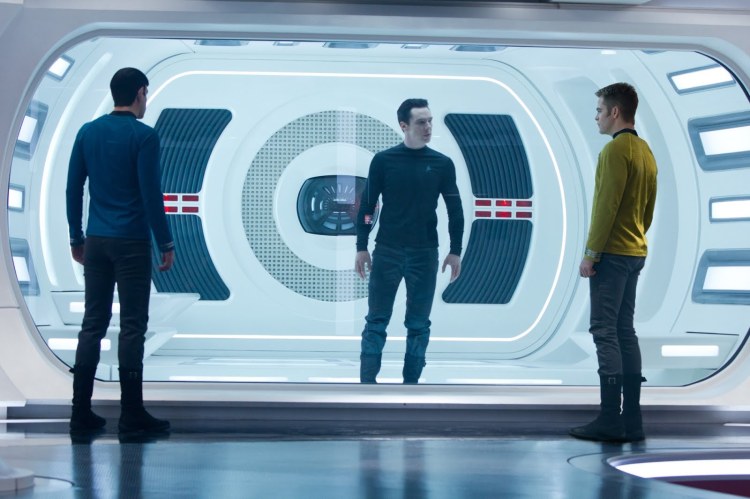
Sadly, Abrams took a page (and a most beloved one at that) out of TOS and the Trek films’ book and brought the character of Khan back into the fray. Many fans hated this idea and went so far as to accuse Abrams of plagiarizing the classic series and the second Trek film. The movie was still very successful, but a definite breach was forming between traditional fans of the Star Trek and newer fans that had only been exposed to the work of Abrams and (possibly) later shows like Enterprise or Voyager.
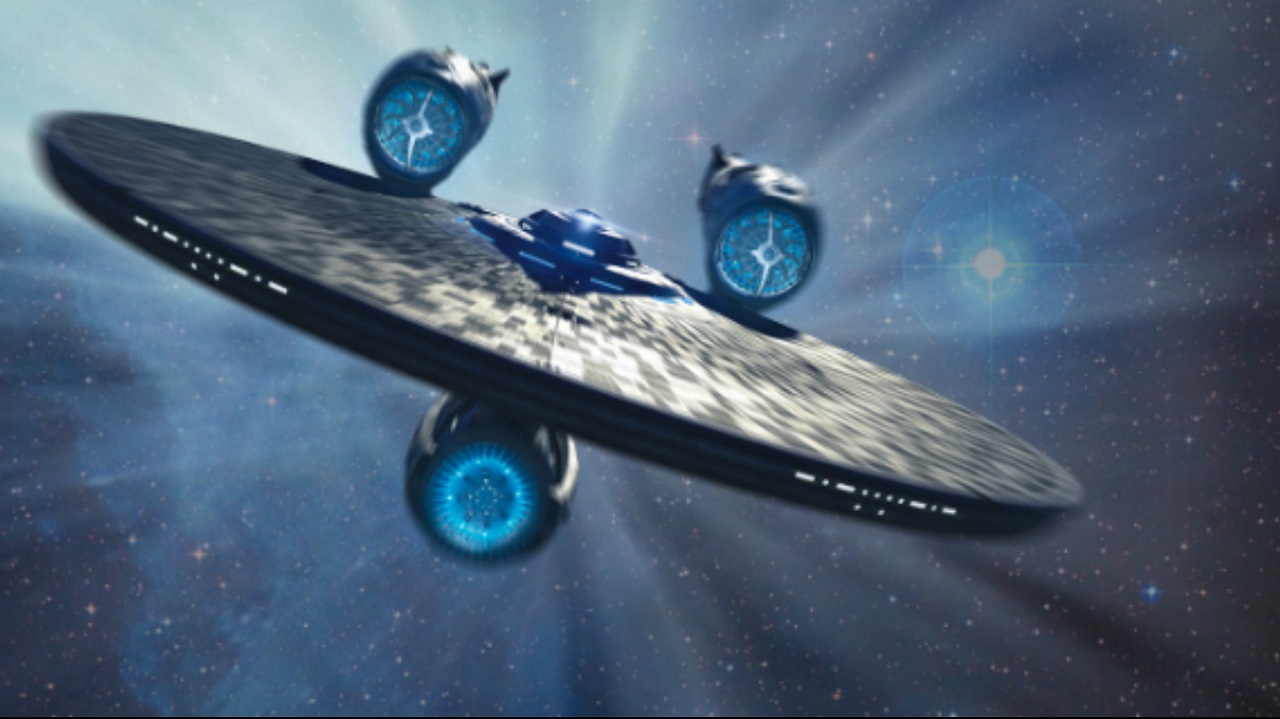
A new film, Star Trek: Beyond, is slated to debut this year, but after seeing the first trailer for the film, many fans were left with a sour taste in their mouths. Music from The Beastie Boys (a running theme in the new films, apparently) blares as we see characters beam out of scenarios in mid-air, watch action sequences with explosions, hand-to-hand combat, and motorcycles (yep, motorcycles), and the Enterprise is apparently destroyed…..again. Top that off with new director Justin Lin of The Fast and the Furious films, and it looks like Trek has fully embraced the generation of the short memory.
Whether or not this assumption holds true is still up for debate in my book. The writers and some of the actors have come out publicly defending the film, stating that the trailer doesn’t truly represent what Beyond is all about. I really do hope that they are correct, as I enjoyed the first Abrams film but didn’t enjoy his second outing as much.
With that said, though, these new films have introduced a younger audience to Trek. My daughter barely paid any attention to any incarnation of Star Trek until these films came out. Now, she looks forward to the next film, and has started to show interest in certain episodes of Voyager and TOS. Her favorite characters are Leonard Nimoy’s Spock and Karl Urban’s take on Bones.
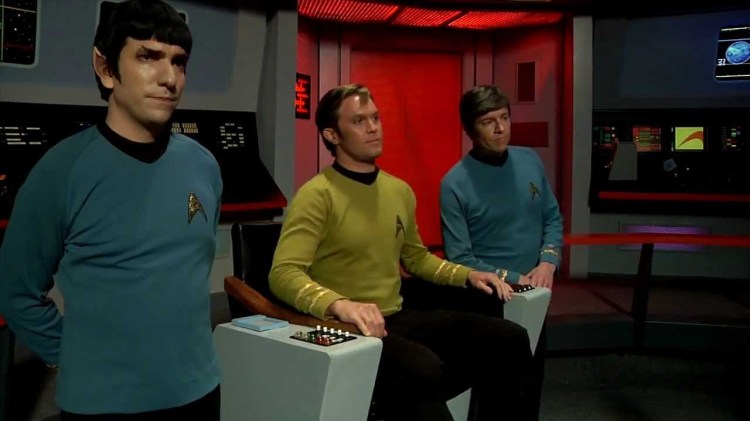
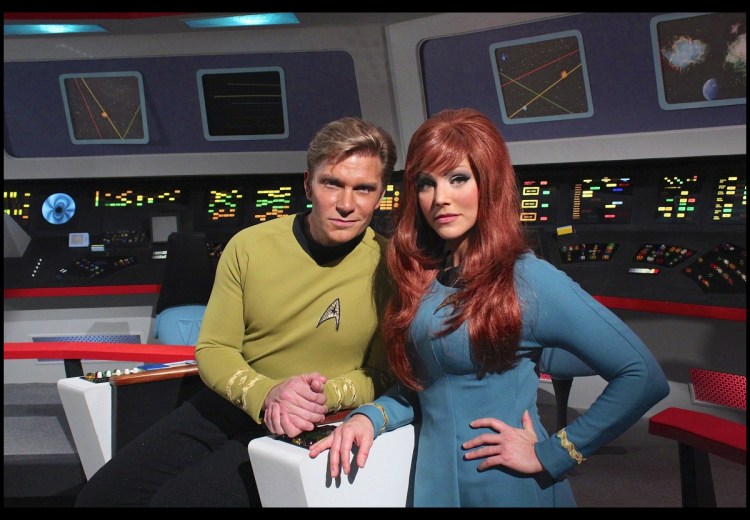
Also, Star Trek has taken on a life of its own in independent films and series created by fans. Shows like Star Trek Continues and Star Trek Phase II continue the five year mission of TOS, taking great care in how they shoot, write, and act out each episode.
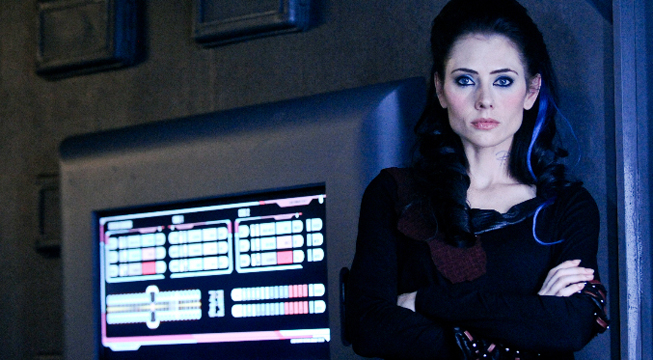
Larger scale independent productions have also hit the web in the form of films like Star Trek: Renegades, which was originally created as a series pitch to CBS. The film is excellent, and received such high praise from fans that a second and final installment, Star Trek: Renegades, Requiem will be produced very soon.
Unfortunately, some of the larger productions have drawn the attention of CBS and Paramount. One such production, Star Trek: Axanar, has found itself in legal troubles with Paramount. A short, Prelude to Axanar, was released a while back in the hopes of drumming up support for a full scale film. The teaser was excellent and managed to help raise a lot of money for the production. However, the production has come under fire from Paramount after it was found out that a studio built for the non-profit film would also be used for some for-profit productions. This, along with a whole bunch of other legal issues with the production, has raised a lot of questions as to just how far a fan production can reach when trying to introduce new stories and new adventures into Trek lore.
I actually stand with Paramount on this issue. If something illegal has occurred, Paramount and CBS have every right to protect their property. What is it about this particular production that has drawn the attention of Paramount? Other fan productions are rolling along with little to no problems with Paramount and/or CBS.
Of course, this is all speculation on my part. I’m not privy to the information that is being discussed. I’ve been told that the Axanar group is sharing all of their legal documents with donors but I have to wonder if they are only sharing the good stuff and keeping all of the negative items out of view of their donors. I look at it as a company showing shareholders (donors) their positive gains and hiding or downplaying the severity of any losses. Again, this is just speculation, but I have to wonder what’s really going on here.
Oh, and speaking of speculation, there’s also a new Star Trek series on the horizon. Not much is known about it right now except that it will not take place in the JJ-verse and that the first episode will premiere on CBS with subsequent episodes available on CBS All Access (a pay streaming service). Hopefully it will be a good show, but it’s still under wraps at the moment.
Well, that’s enough of me rambling about Star Trek. Hopefully you enjoyed reading this and if you’ve made it this far into this post, I must thank you for taking time out of your day for reading my thought bubbles.
Live long and prosper, friends, and let’s hope that Star Trek stays afloat for many years to come.
 Ken's Alternate Universe!