
A Murderer Unseen
More murder mystery than horror film, 1940’s The Invisible Man Returns is an excellent sequel to 1933’s The Invisible Man. It features Vincent Price in his second horror film role (the first being in 1939’s Tower of London) and a number of actors who would appear in multiple Universal Monster films and one gentleman who would go on to help a certain caped crusader. I’ll get to that particular detail later.

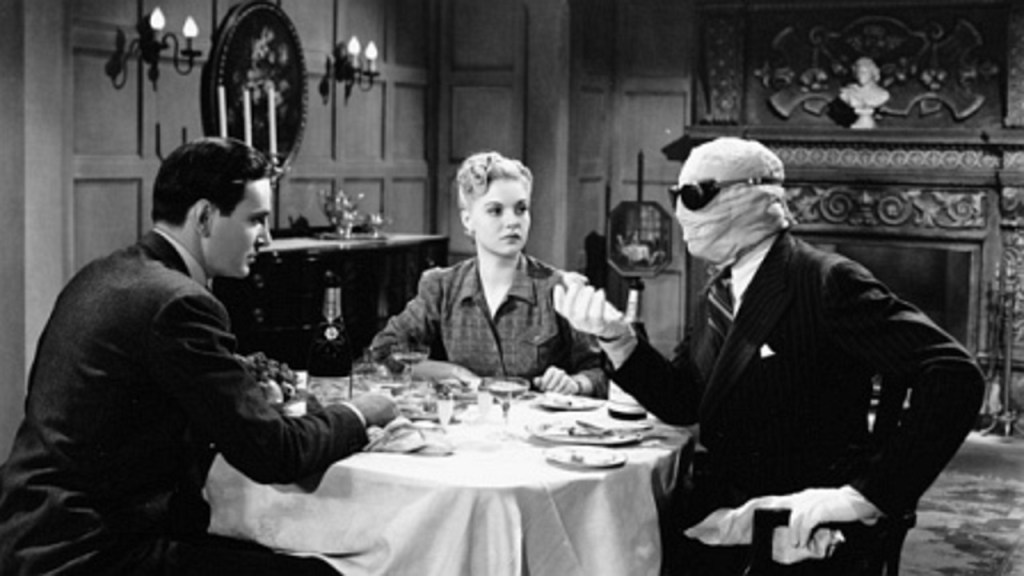
Although Claude Rains’ enigmatic character passed away in the original film, his formula for invisibility was still very much alive and protected by his brother, Dr. Frank Griffin (John Sutton) in The Invisible Man Returns. When his friend and coal mine owner, Sir Geoffrey Radcliffe (Vincent Price), is wrongly sentenced to death for the murder of his own brother, Griffin agrees to help him escape from prison. At the beckoning of Radcliffe’s fiancee, Helen (Nan Grey), Griffin visits Radcliffe in prison just hours before his death. He injects him with the invisibility drug in order to allow him to sneak out of the prison and go into hiding until proof of his innocence can be discovered.

Griffin warns both Helen and Radcliffe that the drug will drive Radcliffe mad if he isn’t restored to visibility soon. Griffin races to find a way to reverse the effects of the drug while dodging questions from Inspector Sampson (Cecil Kellaway), a Scotland Yard detective that is familiar with the original case of the Invisible Man.
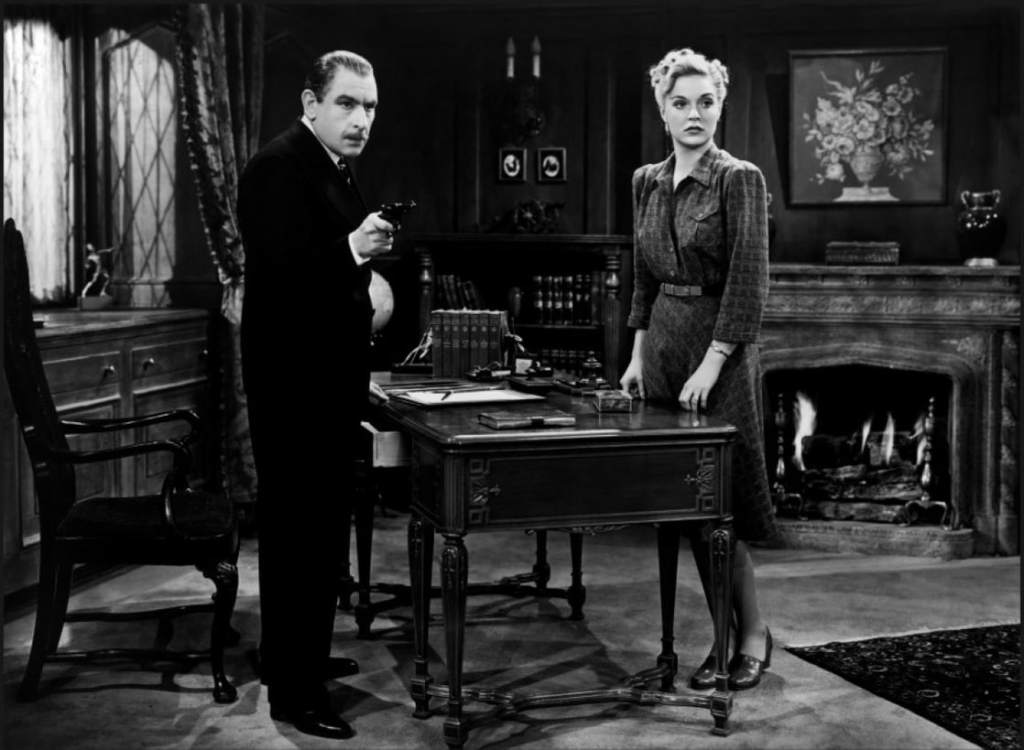
In the meantime, Helen hides Radcliffe in a country home. Risking discovery and driven by the maddening effects of the invisibility drug, Radcliffe seeks out the true murderer of his brother by returning to the coal mine and forcing one of his former employees, Willie Spears (Alan Napier), to reveal the true murderer’s name: Richard Cobbe (Sir Cedric Hardwicke).
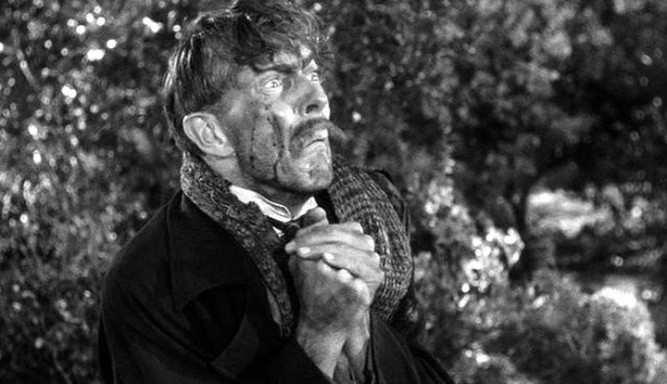
With Sampson hot on his heels and Griffin struggling to find an antidote, Radcliffe’s desires for justice turn into a longing for vengeance. He hunts down Cobbe and reveals to him that he knows the truth. The two fight and Griffin chases Cobbe into the coal mine where Cobbe is mortally wounded. Just prior to his death, however, he confesses to the murder of Radcliffe’s brother, proving Radcliffe’s innocence.
Gunshot by Sampson, Radcliffe is slowly dying. Unable to operate on him because of his invisiblity, Dr. Griffin decides to use an antidote that had unsuccessful results in his lab in desperation. Before doing this, however, he gives Radcliffe a blood transfusion. The transfusion proves to be the cure for Radcliffe’s invisibility and he is saved from death.

This film was very captivating. It held my attention the entire time and featured excellent acting, music, and special effects. Despite barely being on the screen, Vincent Price gives an amazing performance as Radcliffe. The rest of the cast was great as well.
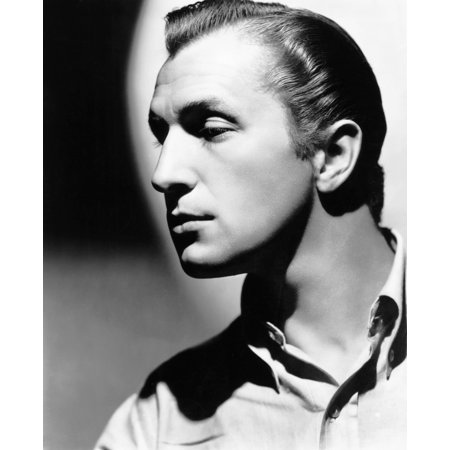
Not only did the film feature Vincent Price, a horror icon in his own right, but it also featured a number of other notable actors. Cecil Kellaway appeared in The Mummy’s Hand (1940) and The House of the Seven Gables (1940) and was nominated for the Academy Award For Best Supporting Actor in two films. Cedric Hardwicke appeared in 1942’s The Ghost of Frankenstein and was a prolific stage and screen actor. Some of his other roles include Jean Frollo in The Hunchback of Notre Dame (1939), Pharoah Sethi in The Ten Commandments (1956), and Bishop Myriel in 1935’s Les Miserables. Nan Grey starred alongside Kellaway in The House of the Seven Gables, with Price in Tower of London, and played the scandalous role of Lili in Dracula’s Daughter (1936).
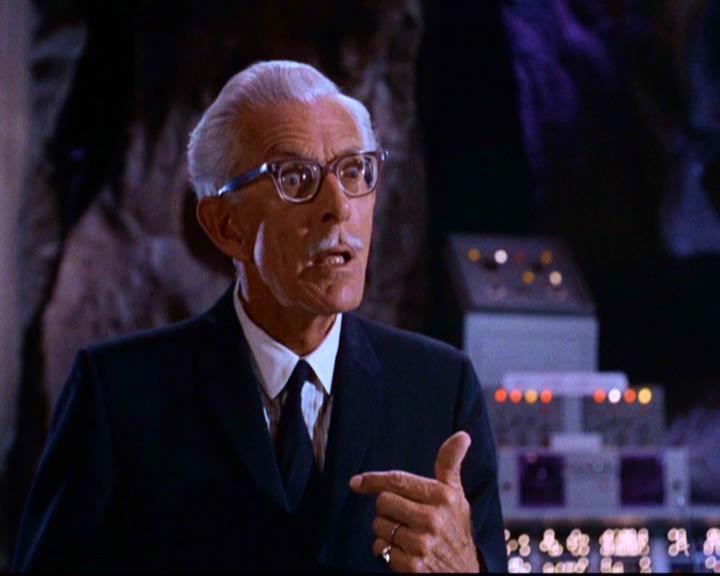
Despite having a career that spanned just over fifty years and featured roles in films as varied as Joan of Arc (1948) and The Song of Bernadette (1943), Alan Napier is perhaps best known for his role as Alfred Pennyworth, the loyal butler of Adam West’s Bruce Wayne/Batman in the 1960’s television series and film, Batman. Napier also starred in episodes of The Beverly Hillbillies and The Twilight Zone.

John P. Fulton returned to provide the film’s special effects. His effort, along with that of Bernard B. Brown and William Hedgcock, resulted in an Oscar nomination. Fulton won three Oscars for Special Photographic Effects and was nominated a total of eight times in that category. Brown won an Oscar for Best Sound in When Tomorrow Comes (1939) and was nominated a total of eight times in that category. He was also nominated three times in the Visual Effects category.
The Invisible Man Returns is an excellent film. It’s one of the best sequels in any of the Universal Monsters franchises. It was loaded with talented and award-winning actors and crew members and the horror legend that is Vincent Price. It’s definitely worth checking out and I recommend it.
Thanks for reading this post. Tune in tomorrow for another exciting Thirty-One Days O’Horror entry!
 Ken's Alternate Universe!