

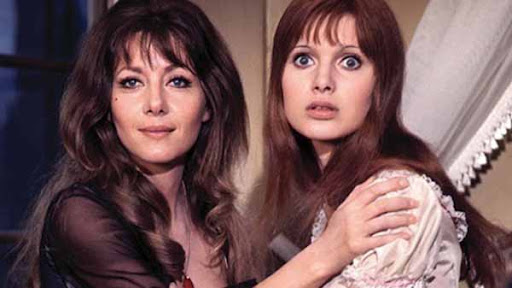
“You must die!”
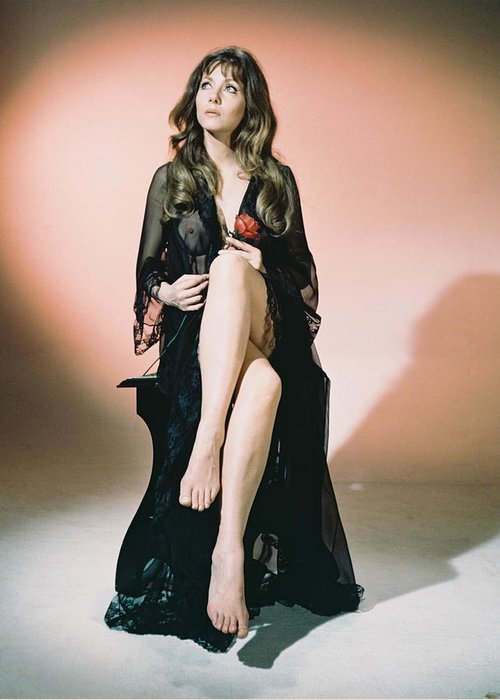
Ingrid Pitt portrays a bloodthirsty lesbian vampire in The Vampire Lovers. The 1970 film was just one more attempt by Hammer to use sexuality to draw in a crowd. The film would be followed by two sequels, Lust For A Vampire and Twins of Evil, both released in 1971. Collectively the films are known as the Karnstein Trilogy and all three are loosely based on the 1872 novela Carmilla by Sheridan Le Fanu. While many people seem to focus on the portrayal of lesbians and the nudity in the film, it actually has a very good story line.

The film opens with Baron Hartog planning out his scheme to kill a vampire. After a successful hunt, the film jumps ahead a few years and we are introduced to General Spielsdorf, his beautiful niece, Laura, her suitor, Carl, and the mysterious Countess and her daughter, the captivating Marcilla, at a party at the general’s home. After receiving news of the death of a friend, the countess leaves for her home but asks the general if Marcilla can stay with him until she returns. The general agrees and not long after that, Laura begins having severe nightmares and calls out for Marcilla at night. Laura falls mysteriously ill and soon dies. Marcilla leaves but she and the countess find themselves in the helping hands of Roger Morton. Once again, the countess leaves her daughter, now going by the name Carmilla, and who becomes fast friends with Morton’s daughter, Emma. She seduces both Emma and Emma’s governess, Mademoiselle Perrodot. Other women in the area begin to die mysteriously and Emma becomes sick like Laura.

In the meantime, Carl begins to piece together that Emma’s sickness is similar to Laura’s and both of them became ill after the arrival of strange young woman. The general arrives in town with Baron Hartog with him. Convinced that his niece was seduced and murdered by a vampire, the general actively sought out Hartog in order to hunt down the vampire and end its reign of terror. Spielsdorf, Hartog, and Carl, along with other supporters, seek out the vampire. The Morton’s butler and family doctor become suspicious of Carmilla and take measures to keep Emma safe. You’ll have to watch the film in order to find out what happens next.

While The Vampire Lovers received a lot of attention for its lesbianism it is neither the first film to feature lesbian vampires (usually considered to be Universal’s Dracula’s Daughter from 1936) nor was it the first film to be based upon Le Fanu’s novella (Blood And Roses, 1960, although other films used elements of the story prior to it). The film features a considerable amount of nudity including a full frontal nude scene from Pitt. In fact, all of the primary female cast members (excepting Kate O’Mara) appear in some state of undress. There’s also a considerable amount of cleavage and numerous scenes featuring actresses in see-through gowns. Why am I mentioning all of this? To show my readers just how far Hammer went to draw in larger box office numbers. In all honesty the film could have been shot without the nudity and it would have worked just as well on story alone.
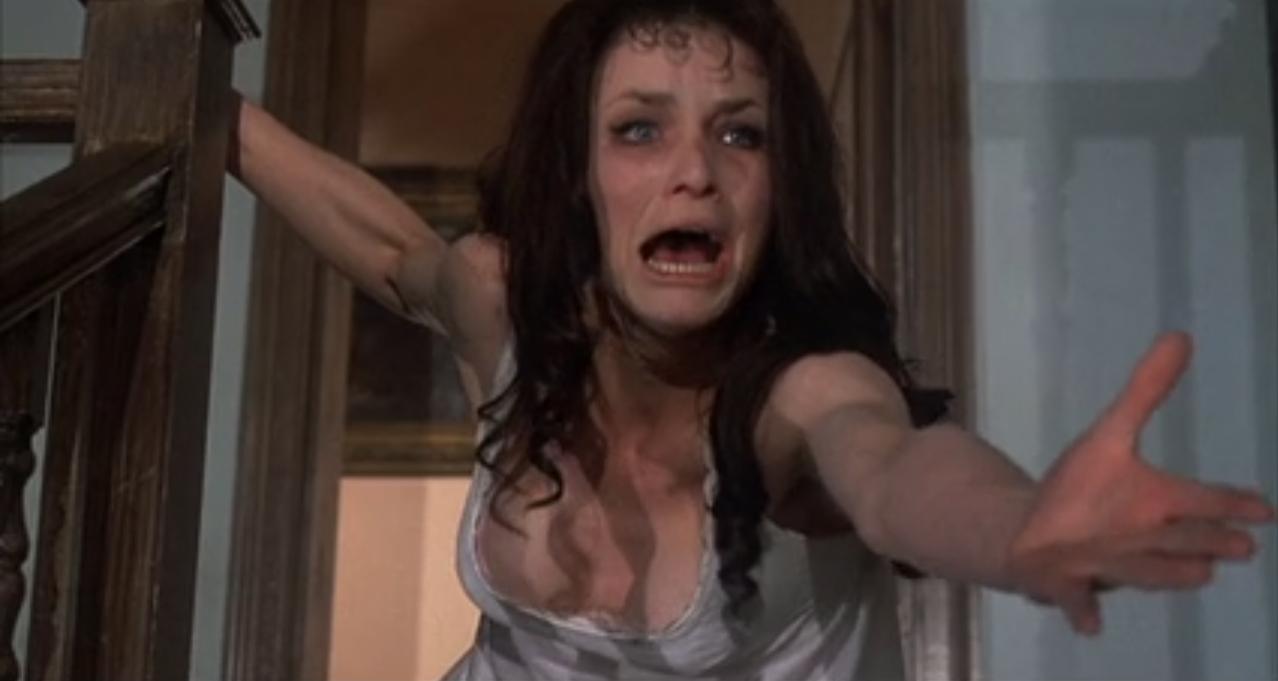
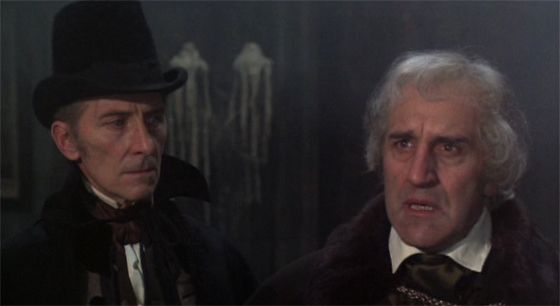
The film’s cast is superb for the most part. Pitt portrays the seductive Marcilla with full confidence. Kate O’Mara shines as Perrodot, who goes from a protective governess to a woman desperate for the attention of Marcilla. Pippa Steel has a brief role as Laura but she is wonderful. The men in the film, primarily Peter Cushing as the general, Douglas Wilmer as Hartog, and Jon Finch as Carl, all give a wonderful performance despite taking quite a few steps back to allow the women to shine in the film. Harvey Hall and Janet Key are great in supporting roles as Renton and Gretchin. The only somewhat weak link is Madeline Smith as Emma. Smith spends most of the film wandering around her home or laying in bed with big doe eyes. I understand that she is supposed to be completely captivated by Marcilla, but she comes across as a bit too dumbfounded.
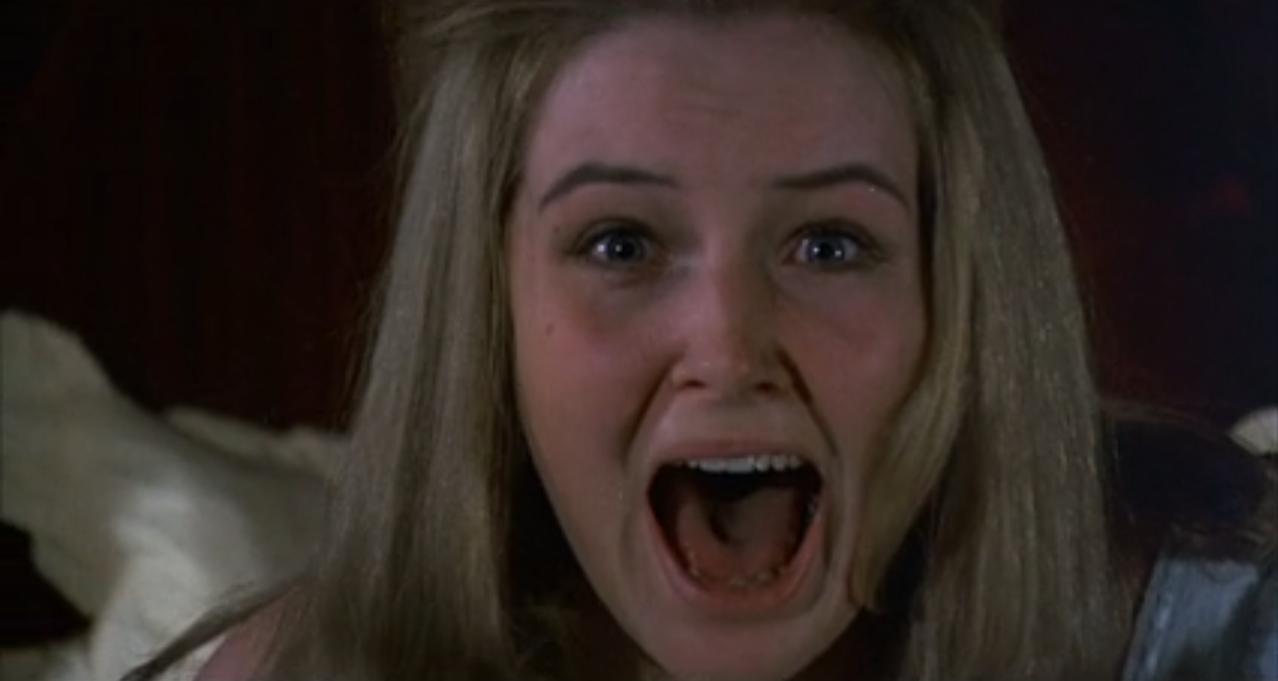
The film’s special effects were great. The blood was the signature Hammer red. While there weren’t as many scenes involving splattering blood, the few that do occur should be quite enough to satisfy gorehounds. Roy Ward Baker’s direction kept the pacing acceptable and there was some brilliant cinematography from Moray Grant.

I really liked this film. I hope to watch the other films in this trilogy and if I have time I’ll review them for Thirty-One Days O’Horror. I definitely recommend this film. If you’re interested in lesbianism in vampire films or in cinema in general, I suggest checking out Dracula’s Daughter. This film is also perfect for Doctor Who fans, as Pitt, O’Mara, and Cushing all featured prominently in Doctor Who stories.
Thanks for checking out my review. See you tomorrow! I’ll take a break from the vampires for a few days. What could I be reviewing next?
 Ken's Alternate Universe!