

Scream Queen Icon
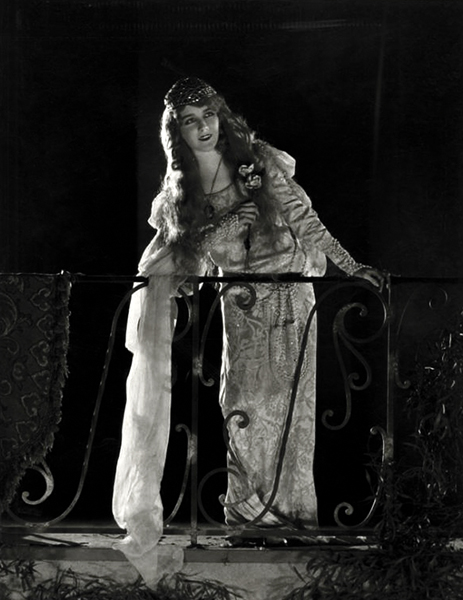
For today’s Reign of the Scream Queens entry we’re going all the way back to the 1920’s, the era of the silent film. While most modern audiences probably don’t know her name, Mary Philbin was a prominent silent film star at the beginning of the 1900’s. She appeared in a total of thirty-four films ranging from romantic comedies to dramas. Most of those films were silent and, sadly, many of them have been lost to time.

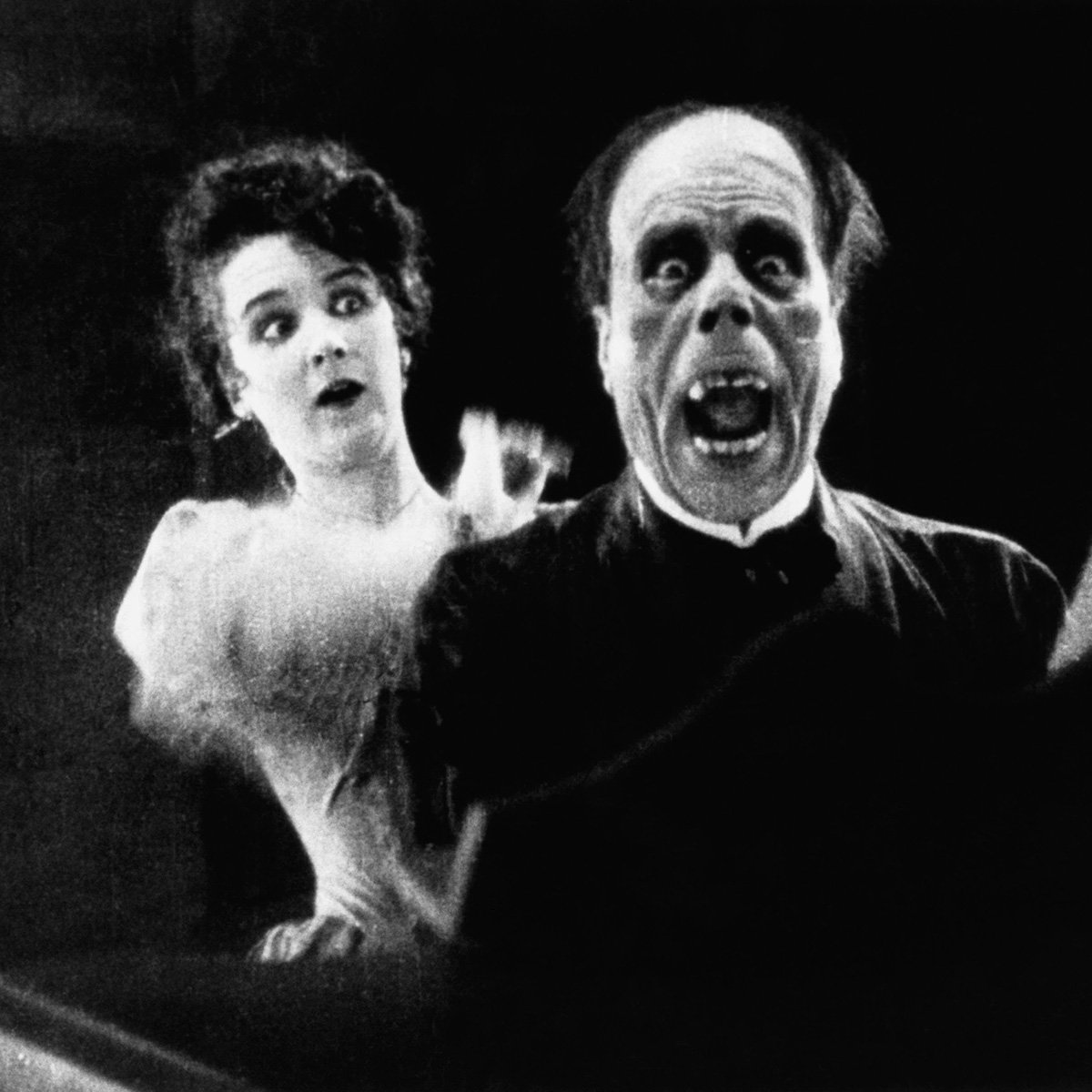
Two of the films that Philbin starred in are considered extremely influential. 1925’s The Phantom Of The Opera, a Universal film, is considered to be one of cinema’s earliest horror masterpieces. It features the amazing makeup work of Lon Chaney. His portrayal of the Phantom terrorized audiences. Philbin’s portrayal of the Phantom’s muse, Christine Daae, impressed audiences as well. The look of terror on her face as she peeled off the Phantom’s mask and the grotesque visage of the Phantom himself shocked audiences. The film was re-edited and re-released a number of times including a version with sound. It also featured a beautiful color sequence in which the Phantom attends a ball and walks amongst those that fear him in order to get to Christine.
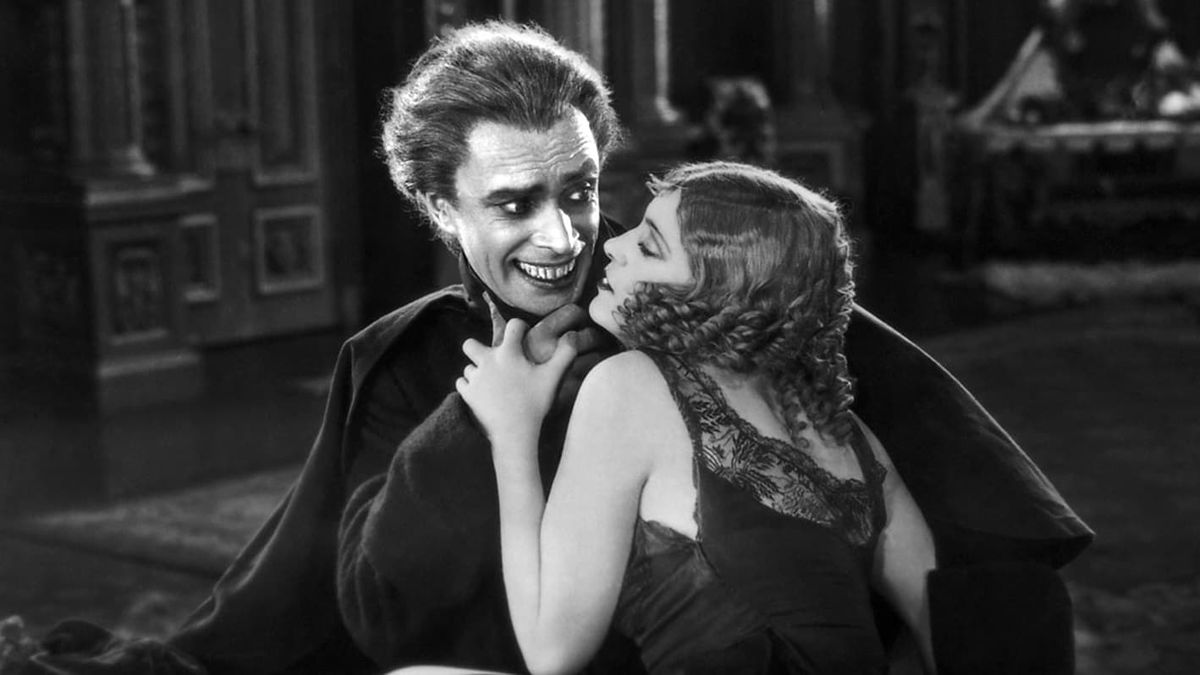
The second highly influential film is a bit lesser known than The Phantom of the Opera. In 1928 Universal Pictures released the silent film The Man Who Laughs. Originally intended to be another starring vehicle for Lon Chaney, Sr., the film would eventually be headlined by his friend and film contemporary, Conrad Veidt after Chaney’s contract fell through and he recommended Veidt for the role. Veidt portrayed Gwynplaine, a man disfigured as a child who falls in love with a young blind woman named Dea portrayed by Mary Philbin. The movie solidified Jack Pierce’s role as a makeup master and would lead to his work on many of Universal’s most popular films, in particular the many Universal Monsters movies. It also heavily influenced Universal’s horror films for the next couple of decades, giving the films their Gothic look and feel. On top of that, Gwynplaine’s disfigured face, twisted into an eternal smile, was the main influence for the Joker’s garish grin.

Mary Philbin continued to act for a few years after the release of both of these iconic films but eventually left the industry in 1930 to care for her parents. She then retreated even farther from the public eye. She became a recluse and rarely appeared in public. She began suffering from Alzheimer’s Disease in the late seventies. The symptoms continued to get worse as the years went by but she would live a long life, making to the ripe old age of ninety-one before passing away in 1993.

Philbin was an extremely talented woman. Not only was she a talented actress, Philbin could also play the piano and pipe organ. Philbin was known to have a kind heart and was extremely quiet when she wasn’t performing. She was also constantly under the watchful eye of her parents, especially her mother, who forbid her to marry the man that she loved, Paul Kohner, because he was Jewish and the Philbins were Roman Catholic. The duo shared many love letters until Kohner eventually married another woman. Philbin never married, but both she and Kohner kept the letters that they wrote one another until their respective deaths.

While Ms. Philbin is certainly one of the earliest scream queens, she is so much more than that. I highly recommend seeking out any of her films that are still available, especially the two that I mentioned in this post, The Phantom of the Opera and The Man Who Laughs. I hope that you enjoyed today’s post and thank you for reading it. See you again, tomorrow!
 Ken's Alternate Universe!