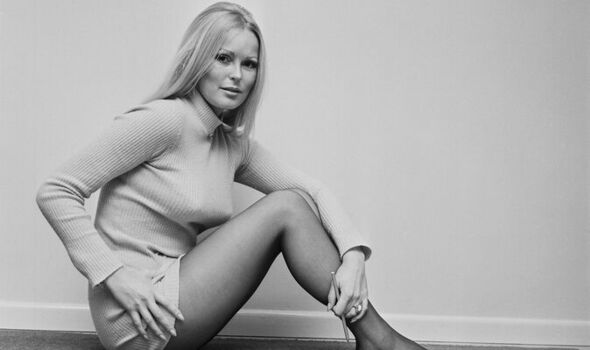
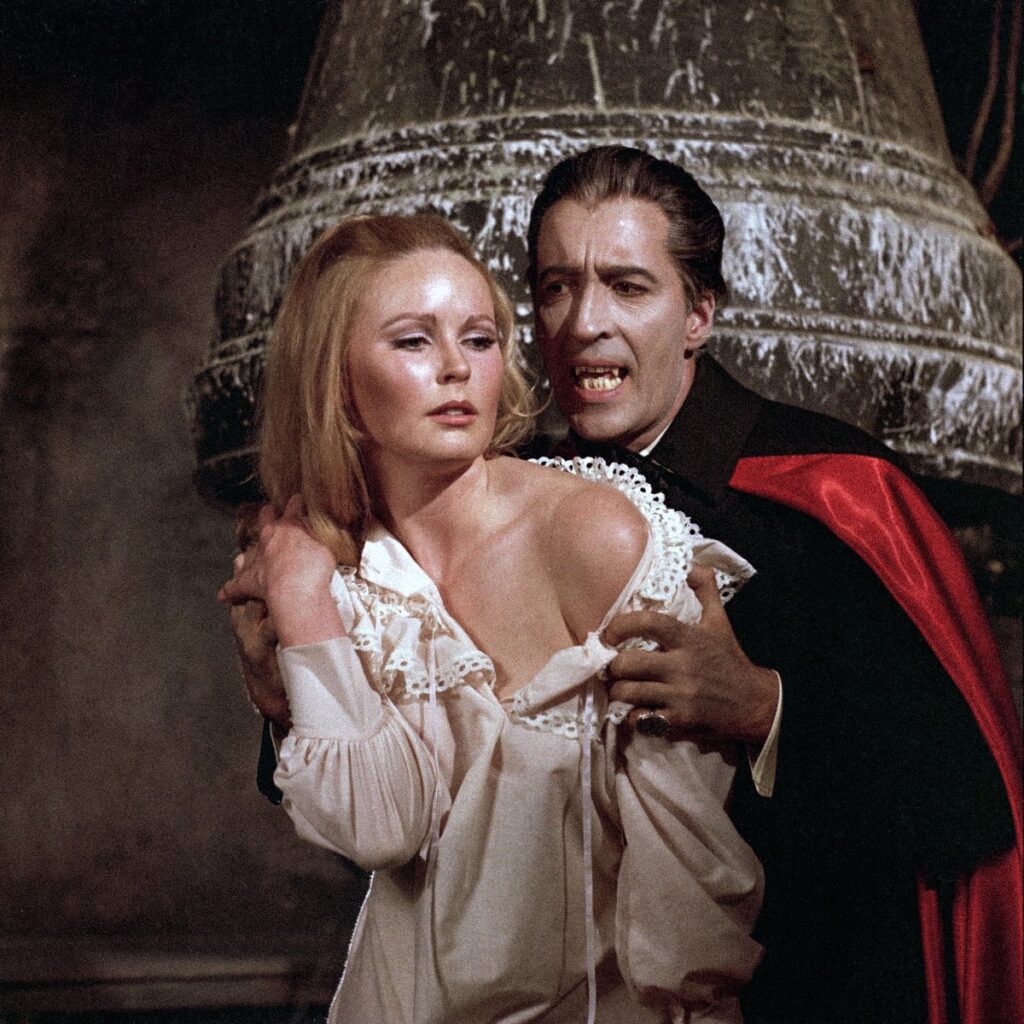
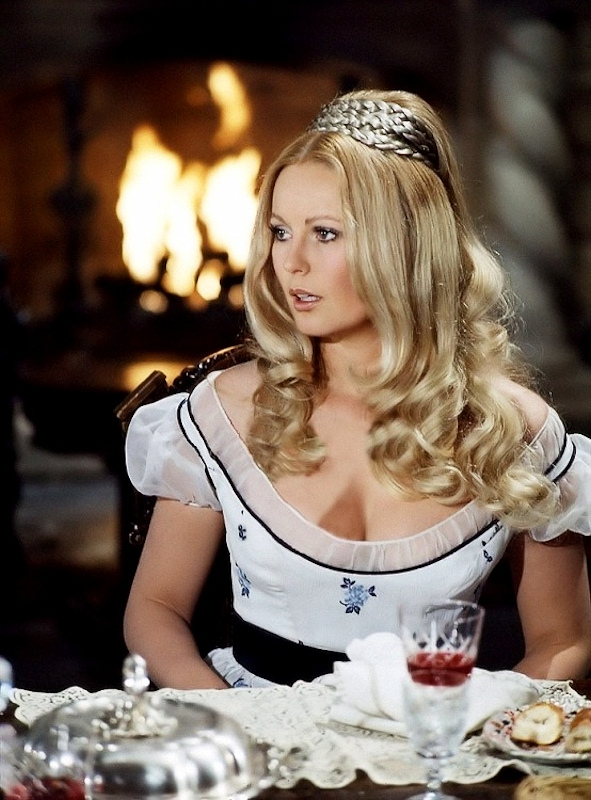
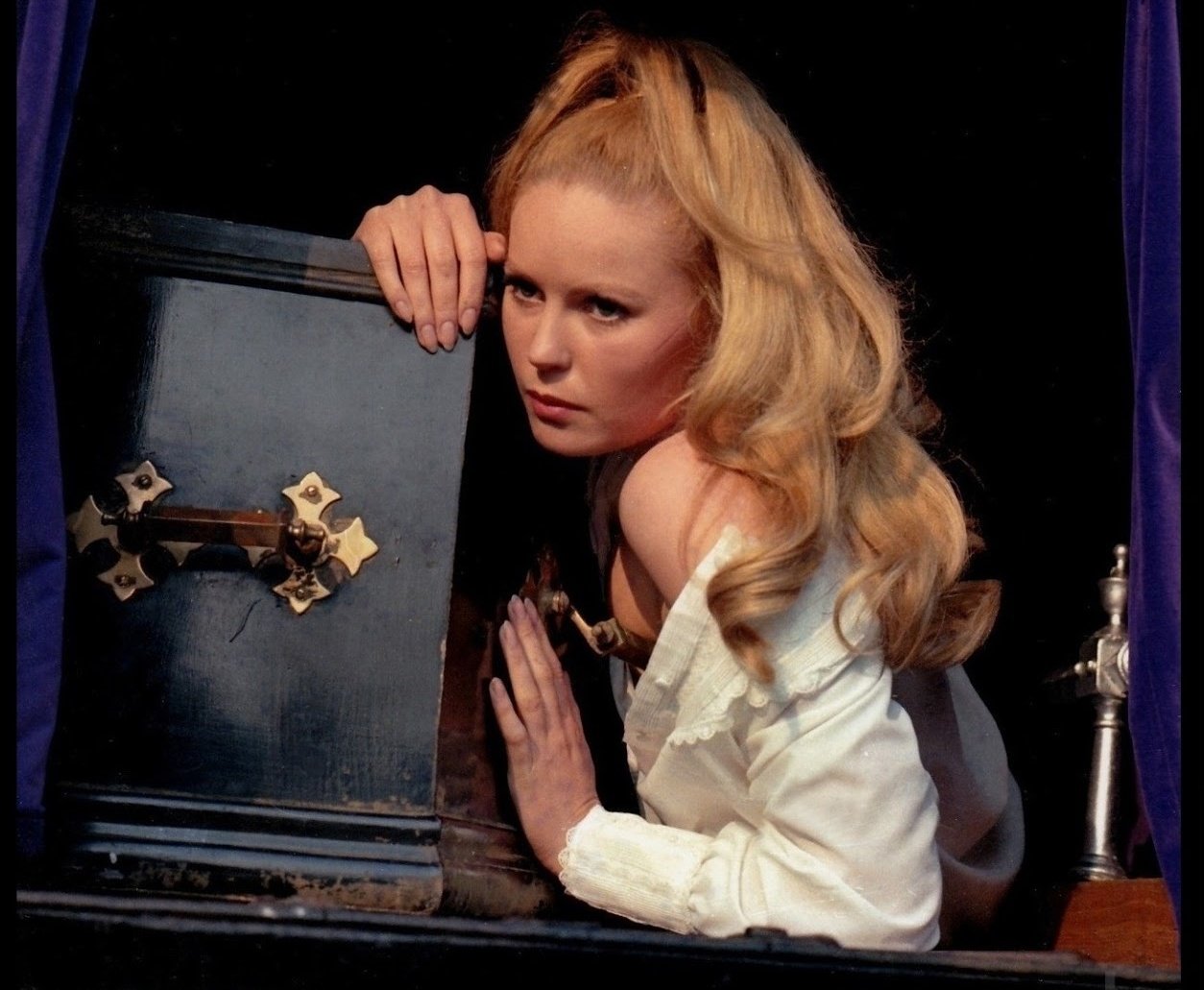
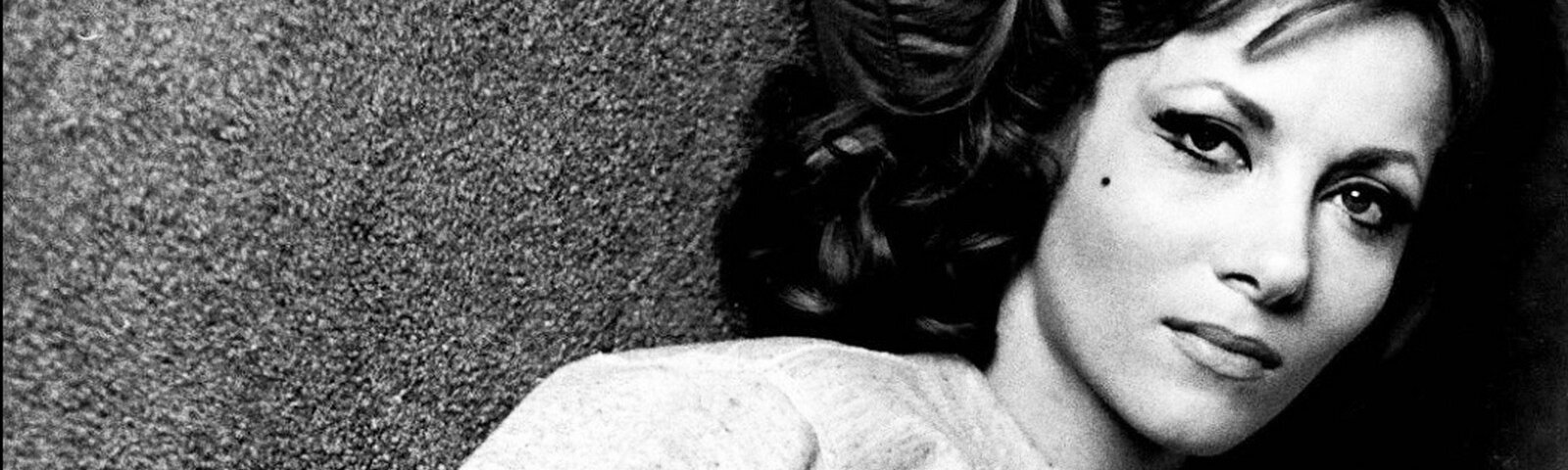
Hammer Productions kept horror films above water after Universal turned away from the genre in the 1950’s. Hammer started producing films with their own versions of Dracula, Frankenstein’s Monster, the Mummy, the Wolf Man, and more, winning over tons of fans for themselves and breathing new life into Universal’s early classics from the 30’s and 40’s. Along for the ride was the strikingly beautiful Veronica Carlson. She starred alongside two titans of the company, Peter Cushing and Christopher Lee, and also shared the screen with the man who would be Darth Vader, David Prowse.
Mrs. Carlson enjoyed working with Hammer Productions, appearing in three films for the company: Dracula Has Risen From The Grave (1968), Frankenstein Must Be Destroyed (1969), and The Horror Of Frankenstein (1970). In 1974 she appeared in the horror comedy Vampira and followed that with another horror film with Peter Cushing, The Ghoul (1975). She then stepped away from her career as an actress in order to focus on her family and marriage. One of the reasons that she left the industry was because of her religious upbringing and the demand in the industry for more and more nudity in films.
Carlson also appeared on the television series Spyder’s Web and had a number of guest starring roles primarily on British television. Her final television role came in 1975 on Public Eye. She made appearances in two horror films in 1994 and 1995 and wouldn’t return to the screen until 2016 when she appeared in the science fiction yarn, Stella Quasar and the Scrolls of Dadelia, She next appeared in House of the Gorgon (2019), and independent film created as an homage to Hammer’s classic films. That film also starred two other classic ladies of horror, Caroline Munro and Martine Beswick. Carlson’s final role is Lady Whitehouse in the unreleased as of this writing horror film, The Rectory. She passed away in February of this year.
Although her looks initially got her the attention of filmmakers, Carlson proved to be more than just another pretty face. She was an excellent actress and appeared in three very good Hammer films. For that reason I am dubbing her today’s Scream Queen.
Thanks for checking out today’s post. We’re getting down to the nitty gritty with just a few days left in October! See you tomorrow!
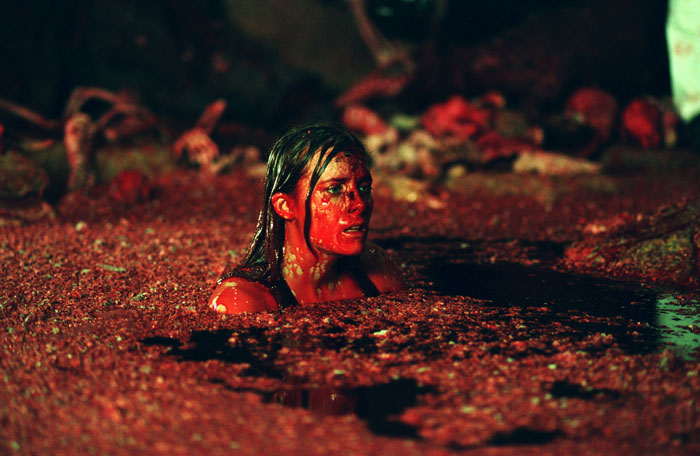
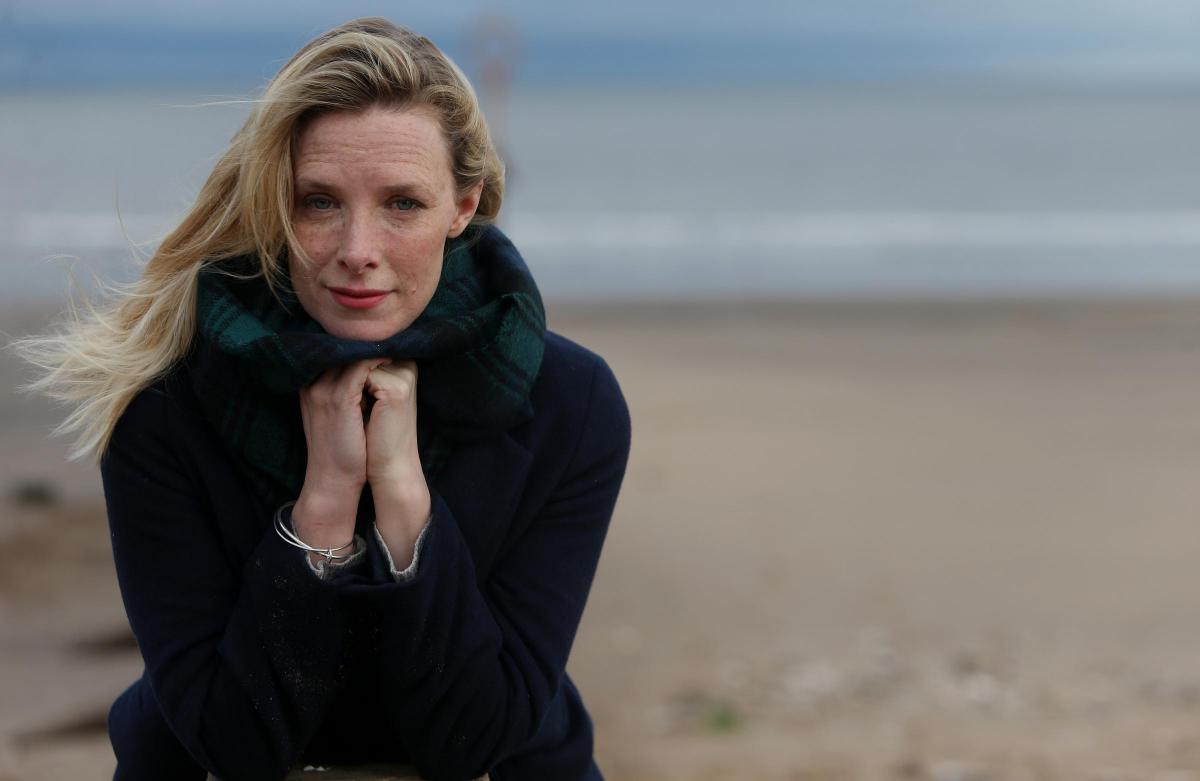
I have to admit that when I was researching potential Scream Queens, Shauna Macdonald popped into my head for one film and one film alone: The Descent (2005). That film alone makes her worthy to be on this list as far as I’m concerned, but as soon as I looked at her IMDb, I was shocked at how many horror films and television shows that she has actually been a part of in her career spanning over twenty years.
Since 1999 Macdonald has accumulated fifty-six acting credits scattered across film and television and twenty or so more credits in theatre and radio. She’s racked up credits in popular franchises such as Star Wars, Outlander, and Danger Mouse. She has starred in a number of television shows and mini-series such as Shetland, The Five, The Cry, and MI-5. She’s one of the most active actresses on this list.
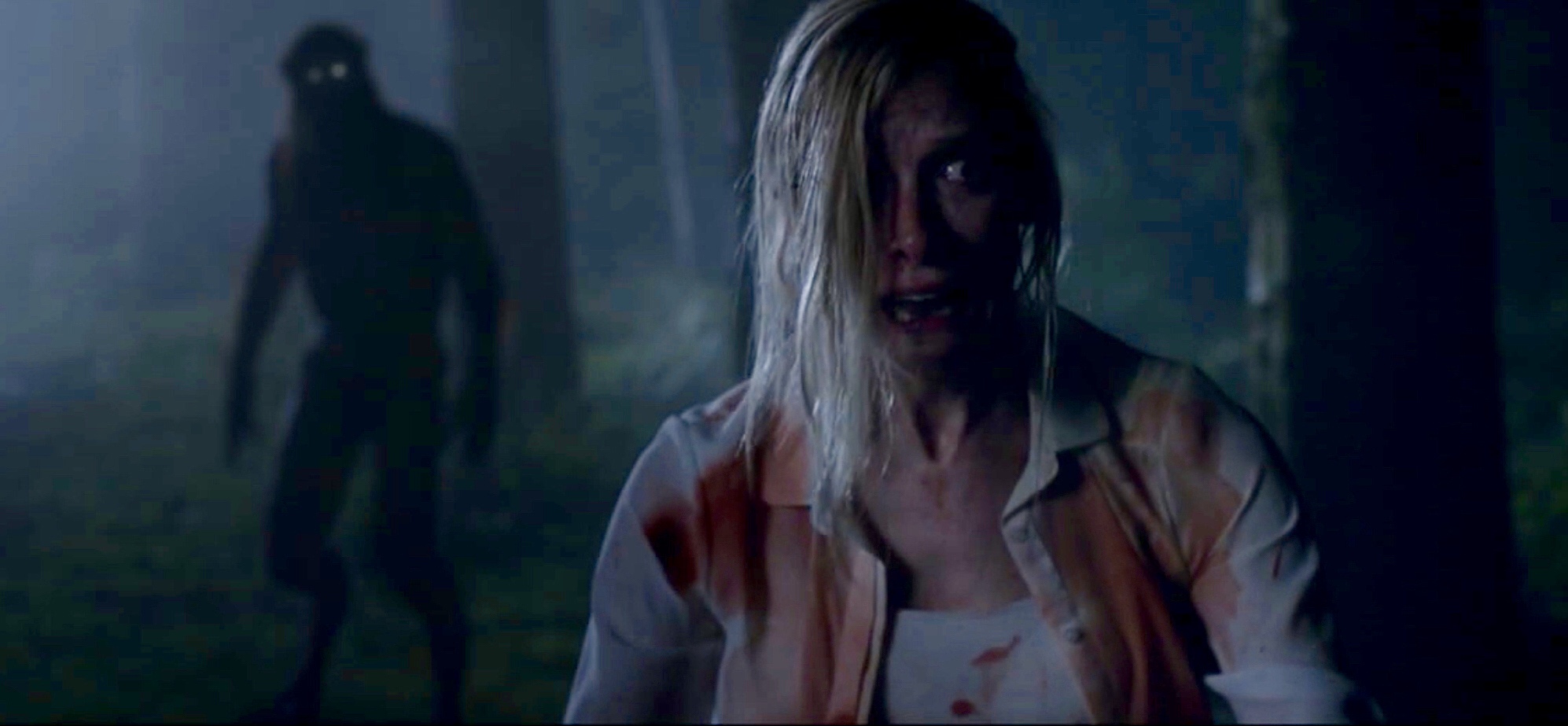
What really blew me away is that of all of her acting credits, many of them were in horror films. As far as those films go, she’s perhaps best known for her role as Sarah Carter in The Descent and The Descent Part 2 (2009). If you’ve never seen either of these films, I highly recommend both of them. The first The Descent film is extremely uncomfortable to watch. If you aren’t claustrophobic before watching this film, you will be after viewing it. Both movies involve spelunking and cave-dwelling creatures that attack groups of people that enter their underground world. The second film isn’t quite as unnerving as the original, but it’s still a solid horror flick. Howl (2015) is another extremely well done horror film that Macdonald features prominently in that involves a group of people stranded on a train in the middle of the forest that have to face off against a werewolf…..or a few werewolves. Other horror projects that Macdonald appears in include Nails (2017), White Chamber (2018), and Mutant Chronicles (2008).
Macdonald is an amazing actress. I’ve seen her in a few films over the years and she always does a wonderful job. Howl is the most recent film that I’ve watched with her in it and I have to say that I was very impressed by her performance and the film overall. I recommend that film and both The Descent films as far as her horror films go.
Thanks for checking out today’s post. Shauna Macdonald surprised me not only with the amount of horror that she’s done but in the quality of most of those projects. Definitely give some of her other projects a look as well. We’ve only got a few days left to celebrate the Scream Queens, so be sure to catch up on any posts that you’ve missed. See you again tomorrow!
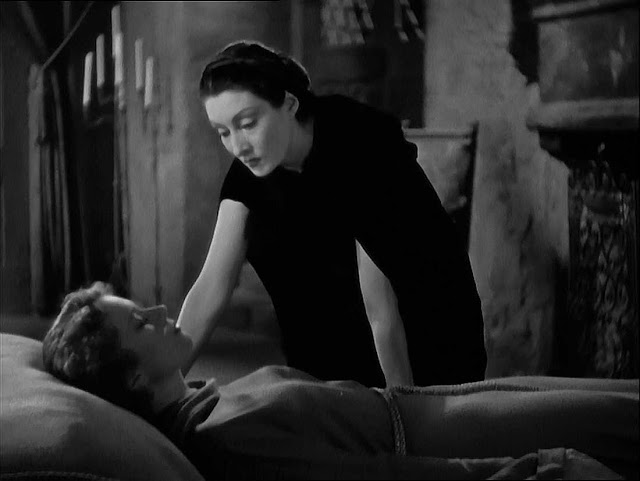
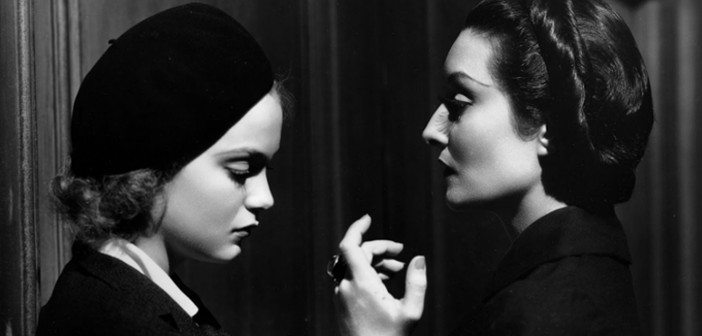
Much like Ingrid Pitt, today’s Scream Queen, Gloria Holden, made her audiences scream more than she ever did in a film. Holden has forty-one film credits to her name, but only one of them would ever be considered a horror film. That film, Dracula’s Daughter (1936), was the first sequel to the iconic Bela Lugosi Universal film Dracula from 1931. Holden starred as Countess Zaleska, the daughter of Count Dracula, who is attempting to break the curse upon her that makes her lust for blood. Needless to say, she fails at breaking the curse.
The film is considered by many horror fans, writers, and filmmakers to be highly influential in the vampire genre. Most notably, Anne Rice declared Dracula’s Daughter to be a major influence on her work, the Vampire Chronicles. She and others have stated that they found lesbian undertones and subtle homoeroticism in the film and this greatly influenced future vampire films, books, and television shows. For myself, having seen the film numerous times, I personally see the countess’ longings and desires to be her struggle with the hunger for blood. That being said, that hunger could easily be equated with the desire to engage in “forbidden love” or homosexual encounters. The countess doesn’t want to give in to the cravings but must give in to them. Please note that I use the term “forbidden love” only because homosexuality was seen as taboo back in the 1930’s (and still is in many places today).
Holden continued working in film for many years after making Dracula’s Daughter. Her career lasted nearly thirty years and featured primarily guest starring or background roles. Her biggest role outside of playing the countess was that of Alexandrine Zola in the 1937 biopic The Life of Emile Zola starring Paul Muni. Her final role was an uncredited appearance as a party guest in 1958’s Auntie Mame.
Thanks for checking out today’s Scream Queen! Mrs. Holden only had one significant horror role, but that role went on to influence major works like Interview With The Vampire, Dark Shadows, and erotic horror films like The Vampire Lovers (which happened to star Ingrid Pitt). Countess Zaleska’s desire to end her curse and her reluctance to kill innocent victims has also become a trope of many vampire stories including Louis in Interview With The Vampire and Morbius in the Marvel comics of the same name. Gloria Holden is definitely deserving of her Scream Queen title. Be sure to check out Dracula’s Daughter!
She’s only twenty-five years old but Chloe Grace Moretz already has a number of horror films under her belt. She has a total of seventy-five film and television credits starting with a 2004 credit in the TV series The Guardian. From there she made a TV movie and her first big screen appearance was in the 2005 horror remake of The Amityville Horror along with Ryan Reynolds and Melissa George.
Her appearance in The Amityville Horror opened the door to numerous roles in other films, many of which were in the horror genre. She has consistently taken roles in both film and television including major motion pictures, direct-to-video films, TV movies, and television series and shows no signs of stopping. Some of her most popular roles outside of horror include Hit-Girl from Kick-Ass, Darby on multiple Winnie The Pooh projects, Kiki on Dirty Sexy Money, and Shelby on Neighbors 2: Sorority Rising.
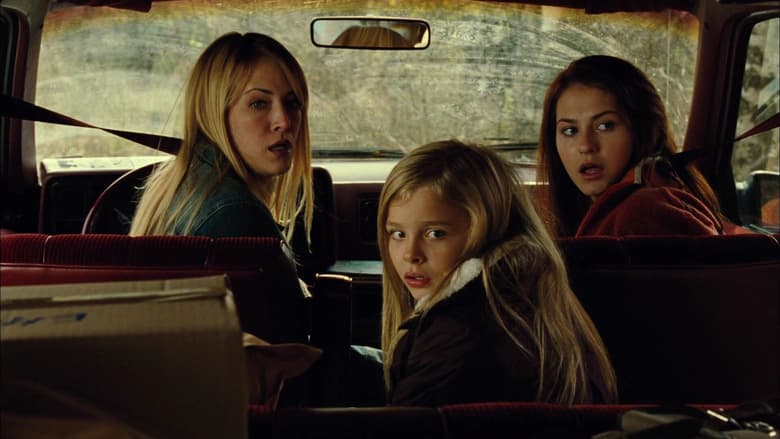
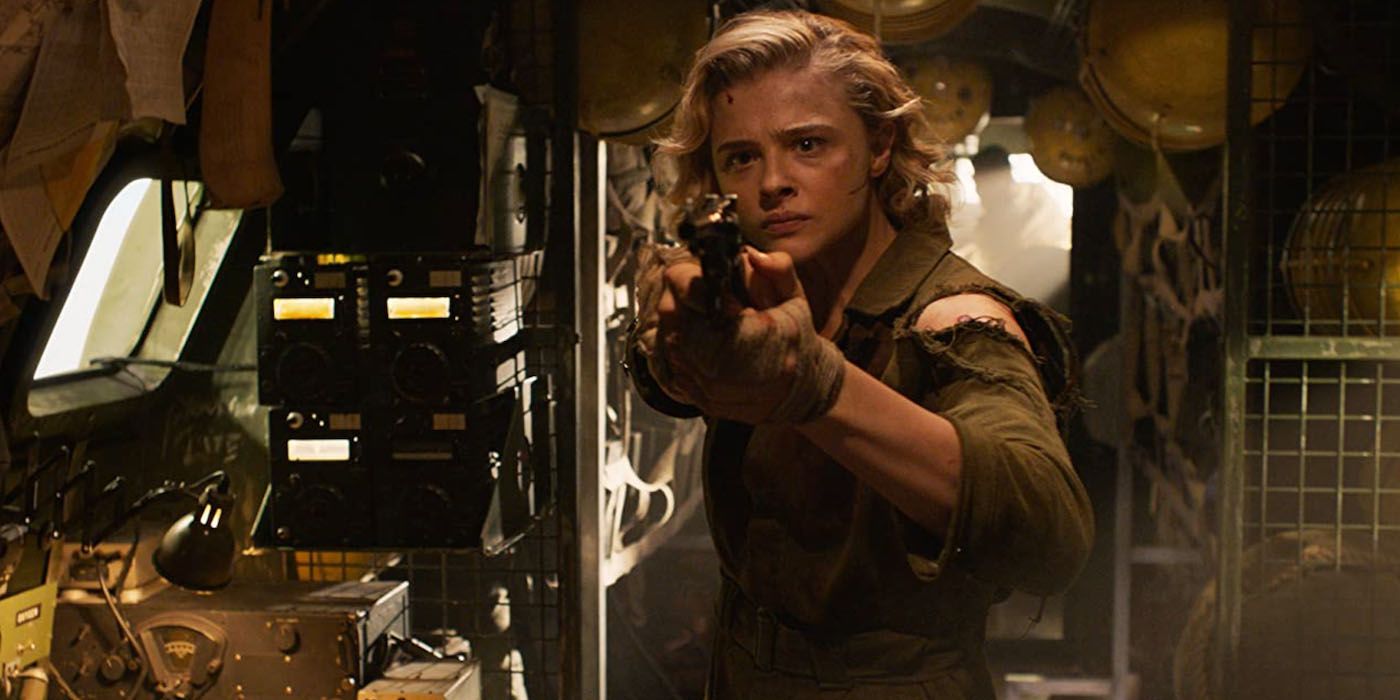
Moretz has appeared in multiple remakes of popular horror films including the already mentioned The Amityville Horror, Carrie (2013), and Suspiria (2018). She also starred in the 2012 film adaptation of the popular vampire soap opera Dark Shadows that also starred Johnny Depp and Helena Bonham Carter. Other horror apperances include Hallowed Ground (2007), the historical war horror flick The Shadow In The Cloud (2020), the animated The Addams Family (2019) and its sequel, The Addams Family 2 (2021), Greta (2018), and Wicked Little Things (2006).
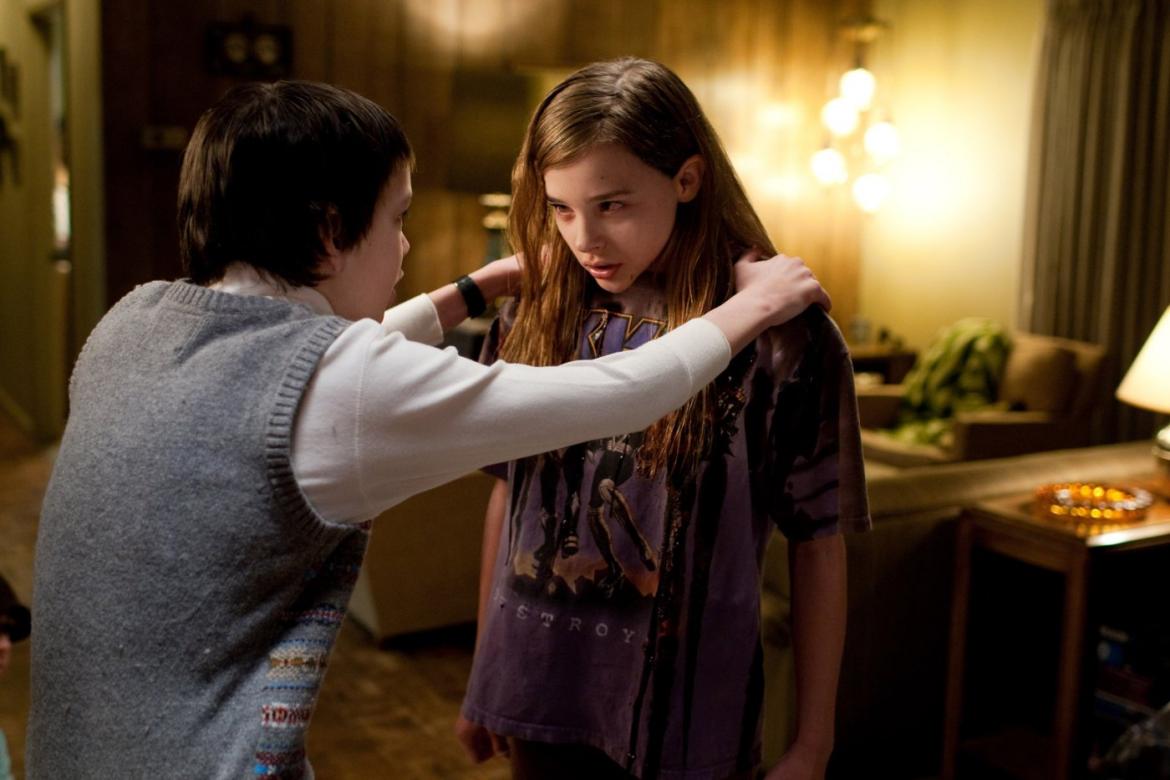
Of special note is her starring role in Let Me In, the 2010 remake of 2008’s Let The Right One In. Both movies focus on the friendship (and romance) that develops between a bullied young boy and the vampire girl that becomes his protector. In turn, the young boy in both films becomes the vampire girl’s protector during the daytime. Both films won tons of awards and Moretz was praised for her performance as Abby, a vampire that is hundreds of years old but looks like a twelve year old girl.
Moretz has grown up on both the big and small screens and shows no signs of slowing down her career. She takes on roles in various genres and does an amazing job in each one. She currently stars in the Amazon Prime series The Peripheral and has three more roles in the works as of this writing.
Moretz is an amazing actress and I see her doing even more wonderful things in her career. She’s definitely a Scream Queen! Thanks for reading my post. See you again tomorrow!
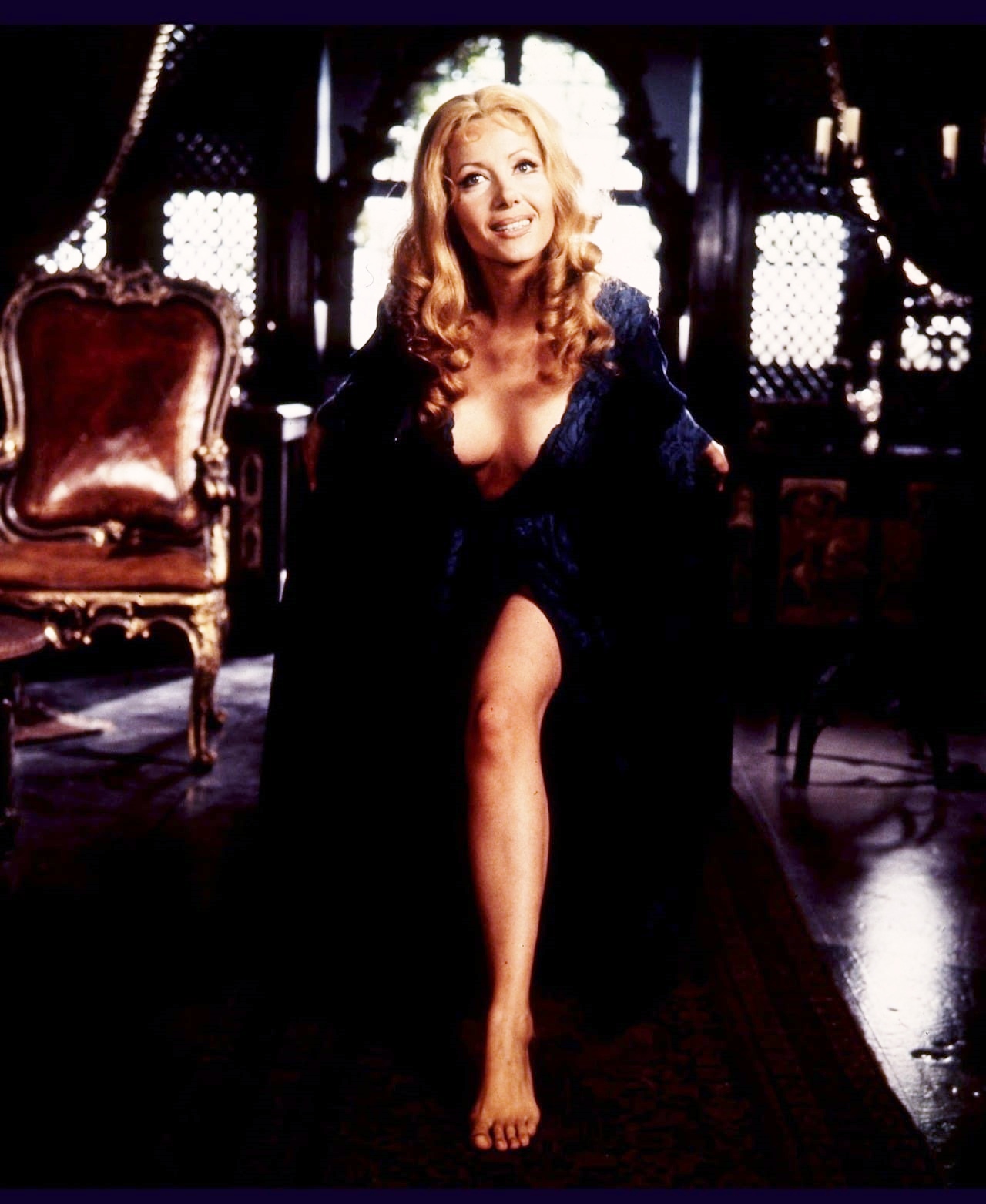
While most of the ladies on this list spent a lot of time on camera screaming, today’s Scream Queen was mainly on the offensive, making both men and women scream for mercy. I’m going to talk a little bit about the seductively beautiful Ingrid Pitt who, thanks to her appearances in Hammer Film Productions, has become an iconic figure in the realm of horror.
Mrs. Pitt’s career began as most acting careers do, with work in the theatre that eventually leads to small and/or uncredited roles in films. Her first major role came in the form of the 1968 sci-fi B-movie, The Omegans. She also had a role in Where Eagles Dare with Clint Eastwood and Richard Burton. Then came two films that she is perhaps best known for, the Hammer films The Vampire Lovers (1970) and Countess Dracula (1971).
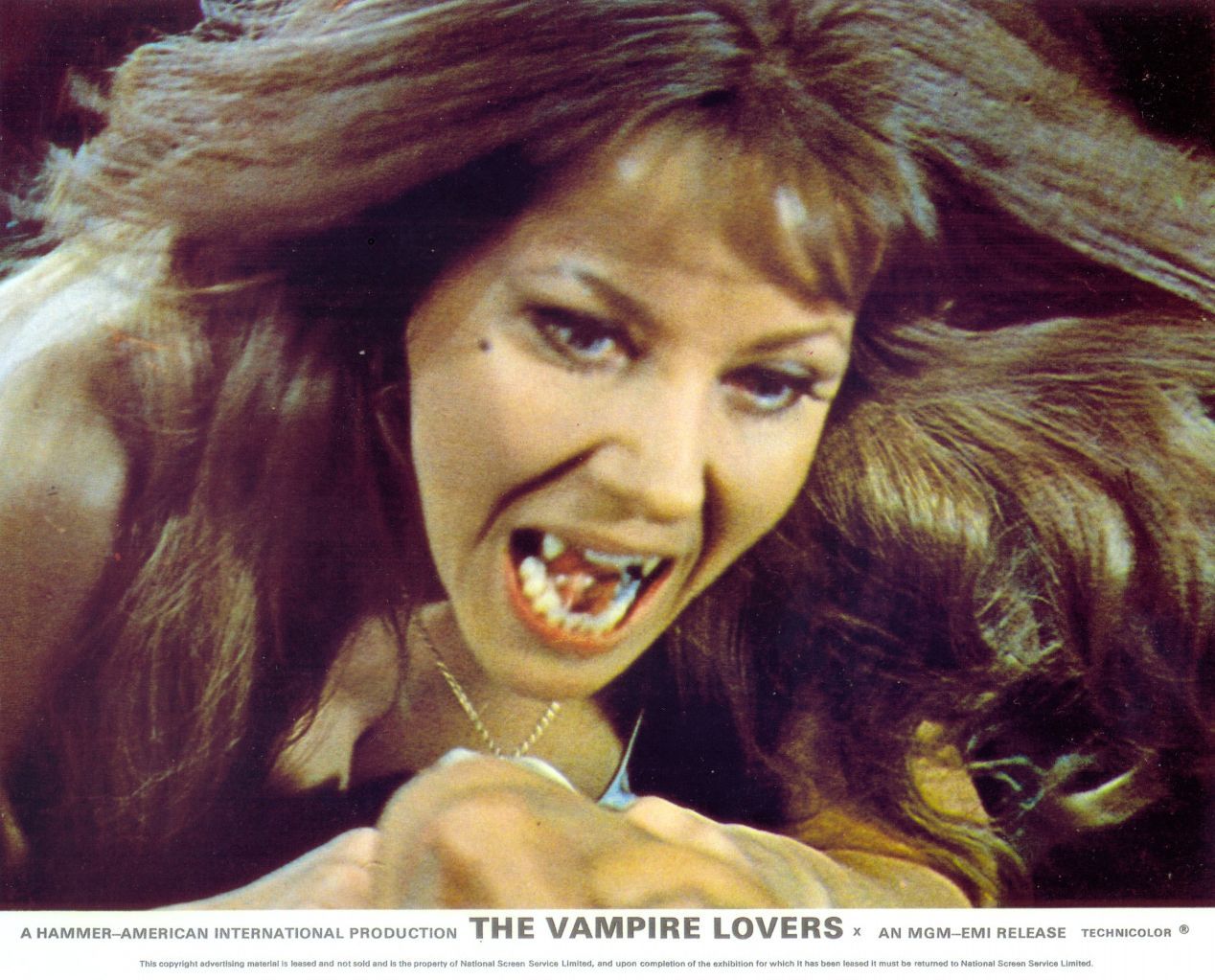
In The Vampire Lovers, Pitt portrayed the villainous Marcilla/Carmilla, a bloodthirsty vampire who seduces beautiful young women, murders them, and then moves to another town to strike again. The film featured Kate O’Mara, Peter Cushing, Dawn Addams, and a number of other popular actors from the United Kingdom. It has gone on to become a cult classic for horror fans.
In Countess Dracula, Pitt once again seduces young women, but this time it is to restore and maintain her youthful beauty. Pitt portrays the wicked Queen Elizabeth Nadasdy, a character loosely based upon Queen Elizabeth Bathory. She has her servants (and both of her male suitors) trick young virgins to come to her castle where she bathes in their blood.
Pitt then hopped over to Amicus Productions, a film production company that produced numerous horror films that competed with Hammer. For that company she appeared in The House That Dripped Blood (1971). As her career continued, Pitt moved away from horror in the 1980’s and began appearing in films like Who Dares Wins (1982), Octopussy (1983), and Hanna’s War (1988). Despite her absence from horror, she remained popular with horror fans.
Pitt also worked in television throughout her career. One of her most notable appearances include Doctor Who in 1972 in the story arc entitled The Time Monster. She played the Queen of Atlantis, Galleia. The arc featured Jon Pertwee (the Third Doctor), Katy Manning (Jo Grant, the Doctor’s companion), Nicholas Courney (the Brigadier) and Roger Delgado (the Master). She would return to the series in 1984 as the character Doctor Solow in Warriors of the Deep. Peter Davison was the Fifth Doctor and Janet Fielding and Mark Strickson portrayed his companions, Tegan and Turlough, respectively.
Pitt was also a writer and in her later years occasionally appeared in film projects including Hammer’s 2008 film Sea of Dust. Pitt’s writings included a number of novels like Cuckoo Run (1980), The Ingrid Pitt Bedside Guide To Ghosthunting (2003), and Dracula Who….? (2012). Pitt also wrote for a number of periodicals, published an autobiography entitled Life’s A Scream (1999), and submitted scripts for a number of films and television shows including Doctor Who.
Pitt had brains, beauty, and a talent for acting and writing. She passed away in 2010 in London, England. She’s a Scream Queen Icon and I hope that you’ve enjoyed this brief look at her amazing career. See you tomorrow!
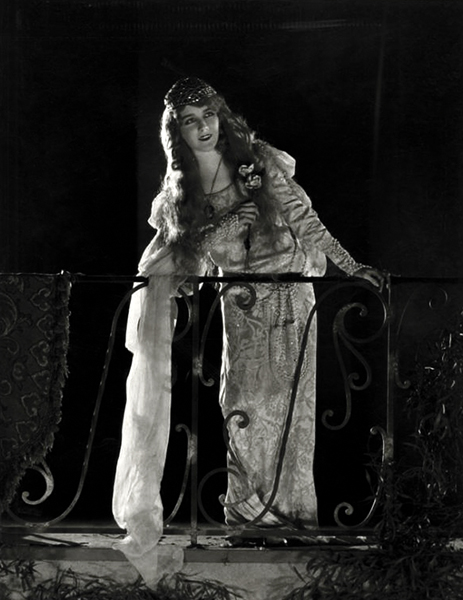
For today’s Reign of the Scream Queens entry we’re going all the way back to the 1920’s, the era of the silent film. While most modern audiences probably don’t know her name, Mary Philbin was a prominent silent film star at the beginning of the 1900’s. She appeared in a total of thirty-four films ranging from romantic comedies to dramas. Most of those films were silent and, sadly, many of them have been lost to time.
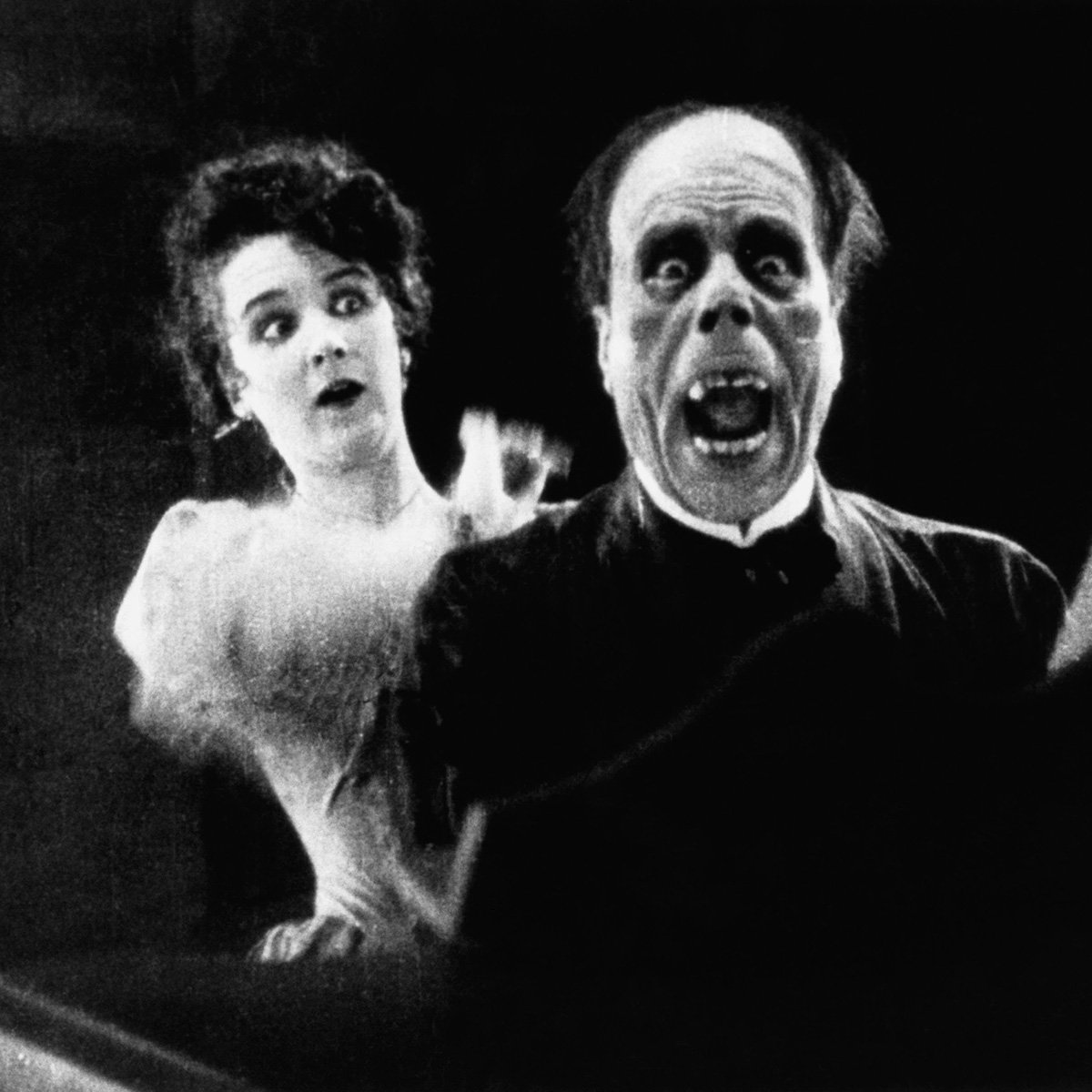
Two of the films that Philbin starred in are considered extremely influential. 1925’s The Phantom Of The Opera, a Universal film, is considered to be one of cinema’s earliest horror masterpieces. It features the amazing makeup work of Lon Chaney. His portrayal of the Phantom terrorized audiences. Philbin’s portrayal of the Phantom’s muse, Christine Daae, impressed audiences as well. The look of terror on her face as she peeled off the Phantom’s mask and the grotesque visage of the Phantom himself shocked audiences. The film was re-edited and re-released a number of times including a version with sound. It also featured a beautiful color sequence in which the Phantom attends a ball and walks amongst those that fear him in order to get to Christine.
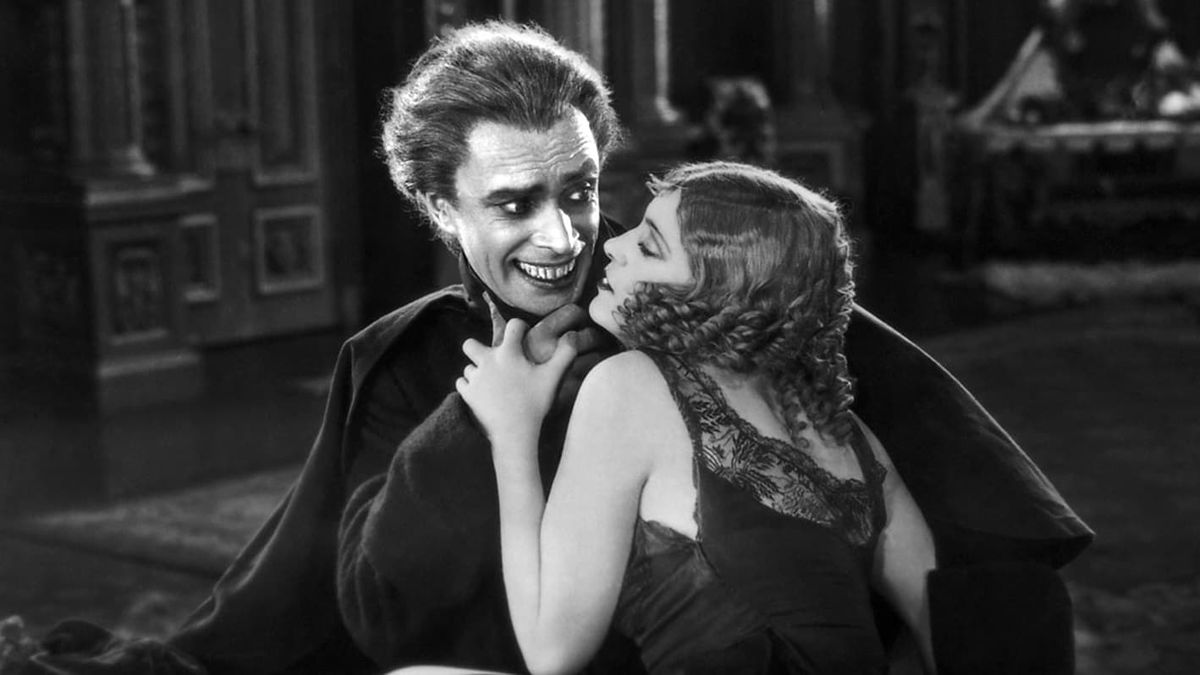
The second highly influential film is a bit lesser known than The Phantom of the Opera. In 1928 Universal Pictures released the silent film The Man Who Laughs. Originally intended to be another starring vehicle for Lon Chaney, Sr., the film would eventually be headlined by his friend and film contemporary, Conrad Veidt after Chaney’s contract fell through and he recommended Veidt for the role. Veidt portrayed Gwynplaine, a man disfigured as a child who falls in love with a young blind woman named Dea portrayed by Mary Philbin. The movie solidified Jack Pierce’s role as a makeup master and would lead to his work on many of Universal’s most popular films, in particular the many Universal Monsters movies. It also heavily influenced Universal’s horror films for the next couple of decades, giving the films their Gothic look and feel. On top of that, Gwynplaine’s disfigured face, twisted into an eternal smile, was the main influence for the Joker’s garish grin.
Mary Philbin continued to act for a few years after the release of both of these iconic films but eventually left the industry in 1930 to care for her parents. She then retreated even farther from the public eye. She became a recluse and rarely appeared in public. She began suffering from Alzheimer’s Disease in the late seventies. The symptoms continued to get worse as the years went by but she would live a long life, making to the ripe old age of ninety-one before passing away in 1993.
Philbin was an extremely talented woman. Not only was she a talented actress, Philbin could also play the piano and pipe organ. Philbin was known to have a kind heart and was extremely quiet when she wasn’t performing. She was also constantly under the watchful eye of her parents, especially her mother, who forbid her to marry the man that she loved, Paul Kohner, because he was Jewish and the Philbins were Roman Catholic. The duo shared many love letters until Kohner eventually married another woman. Philbin never married, but both she and Kohner kept the letters that they wrote one another until their respective deaths.
While Ms. Philbin is certainly one of the earliest scream queens, she is so much more than that. I highly recommend seeking out any of her films that are still available, especially the two that I mentioned in this post, The Phantom of the Opera and The Man Who Laughs. I hope that you enjoyed today’s post and thank you for reading it. See you again, tomorrow!
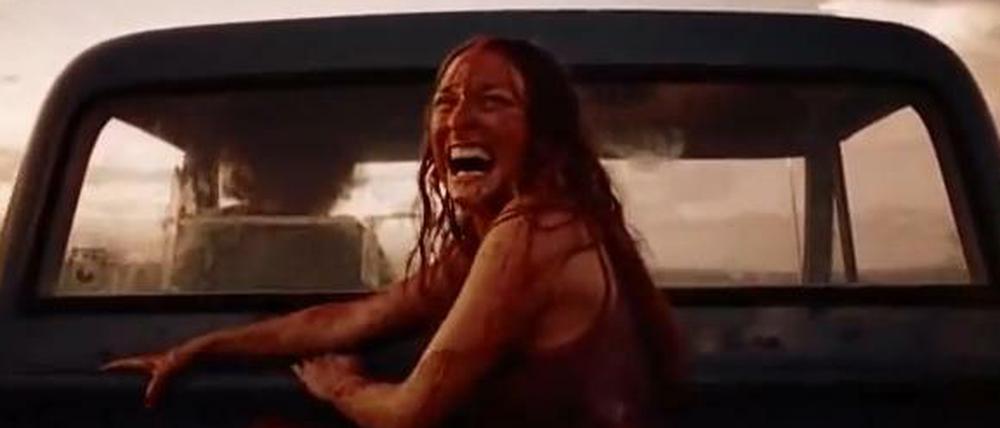
Fifteen acting credits are all that horror legend Marilyn Burns ever received. In all honesty, she only needed one. After appearances in Brewster McCloud (1970) and Lovin’ Molly (1974), Ms. Burns won the role of Sally Hardesty in the iconic, groundbreaking, cannibal horror film The Texas Chainsaw Massacre (1974). She is considered by many to be the first true “final girl” and also responsible for giving one of the best performances by an actress in a horror film. The film predates all of the major slasher franchises including Halloween, Friday The 13th, and A Nightmare On Elm Street. It is also considered to be one of the most influential horror films of all time.
Of course, Chainsaw would be just another horror film if it weren’t in part for the brilliant performance of Marilyn Burns. Burns screamed, cried, crawled, ran, and begged her way through the film in a performance that left myself and many others very uncomfortable during and after the film. The believability of her performance and of the rest of the cast along with the direction of Tobe Hooper made for the perfect storm.
After making The Texas Chainsaw Massacre, Burns continued working off and on in film and television. She appeared primarily in horror films but also appeared in the real life mini-series based on the Manson Murders Trial, Helter Skelter (1976) as Linda Kasabian. She returned to the role of Sally Hardesty in 1995 for a cameo in Texas Chainsaw Massacre: The Next Generation (1995) and portrayed another character, Verna, in 2013’s Texas Chainsaw. Outside of that, Burns had a few roles here and there over the years in one off horror films like Eaten Alive (1976), Future-Kill (1985), and Butcher Boys (2012).
Burns chose to live a quiet life and only made occasional appearances at events celebrating Chainsaw or at pop culture and horror conventions. She acted when she felt like it and stayed out of the limelight. Sadly, Ms. Burns was found dead by family members in her home in 2014. While no official cause of death has been given, family members claimed that she had a heart attack.
Marilyn Burns is a legend and an icon. Thankfully her performance will continue to be seen by fans new and old alike. Thanks for checking out my post about this iconic Scream Queen. See you again, tomorrow!
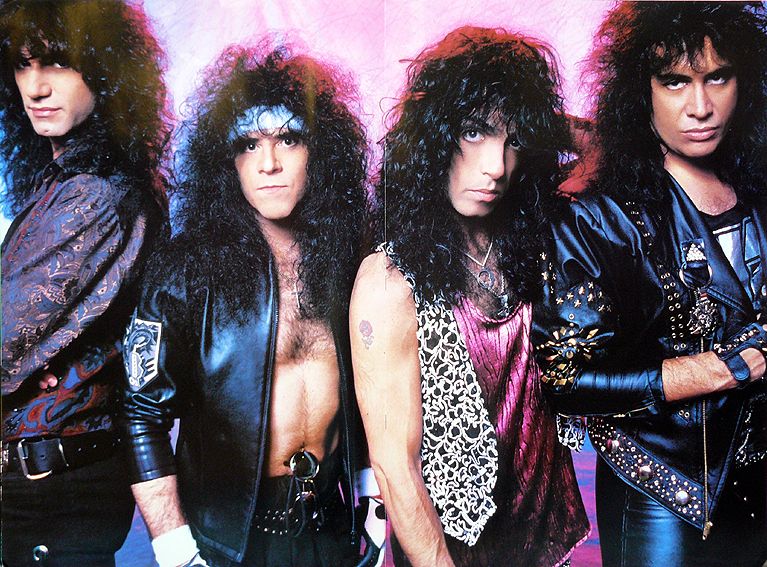
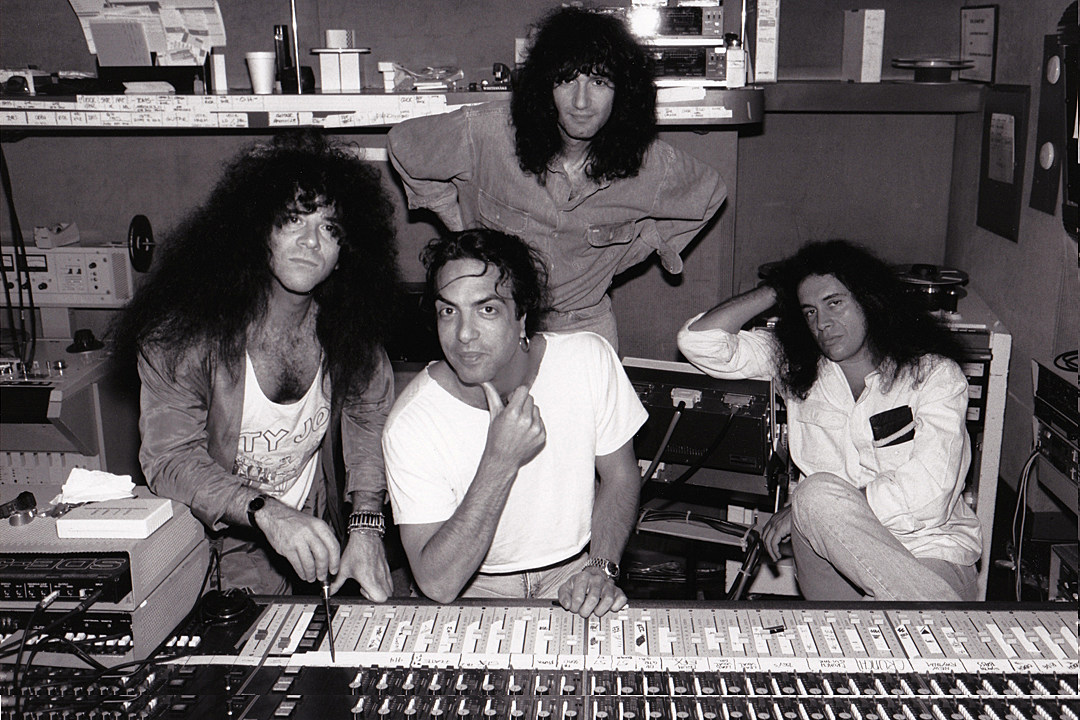
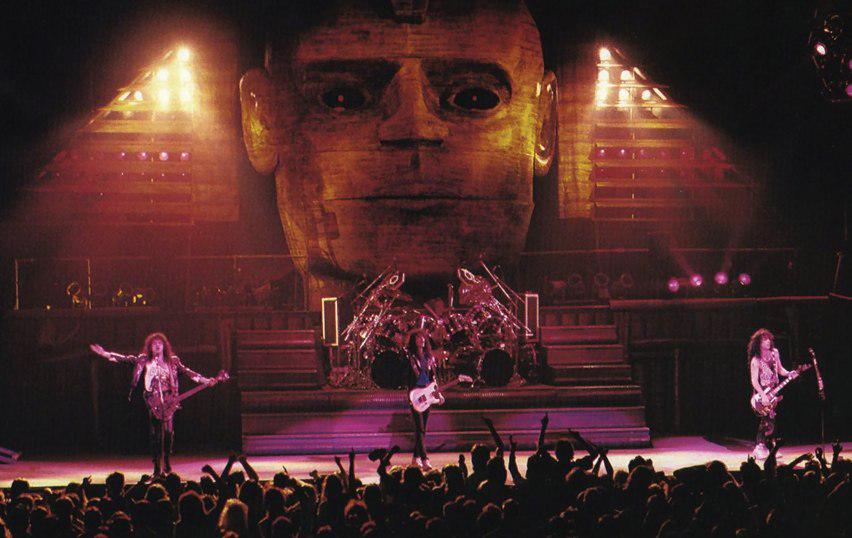
Hot In The Shade, KISS’ follow-up project to their highest charting 1980’s release, Crazy Nights, is very personal to me because it was the first KISS album that I ever purchased. It would get me into conversations later in life that would set me on the path to becoming a member of the KISS Army. It contains some amazing KISS tracks and some pretty terrible ones as well. It was released on October 17, 1989, and I bought my copy on CD in late January of 1990 (a few weeks after the release of the single Forever). KISS was still very much relevant at the time of the album’s release, but they were slowly fading from the spotlight once again. They needed another hit to keep them in the news and Hot In The Shade would definitely deliver.
Crazy Nights was a popular album but many longtime fans weren’t impressed by the keyboards and synthesizers used on the album. I personally didn’t have a problem with that but KISS apparently did because they removed the keys and synths for Hot In The Shade. They also added horns and female backing vocalists on some of the tracks. The band also seemed to be firing pretty well on all cylinders, with Gene Simmons seeming to have settled back into his role as the band’s bass player and most recognizable member.
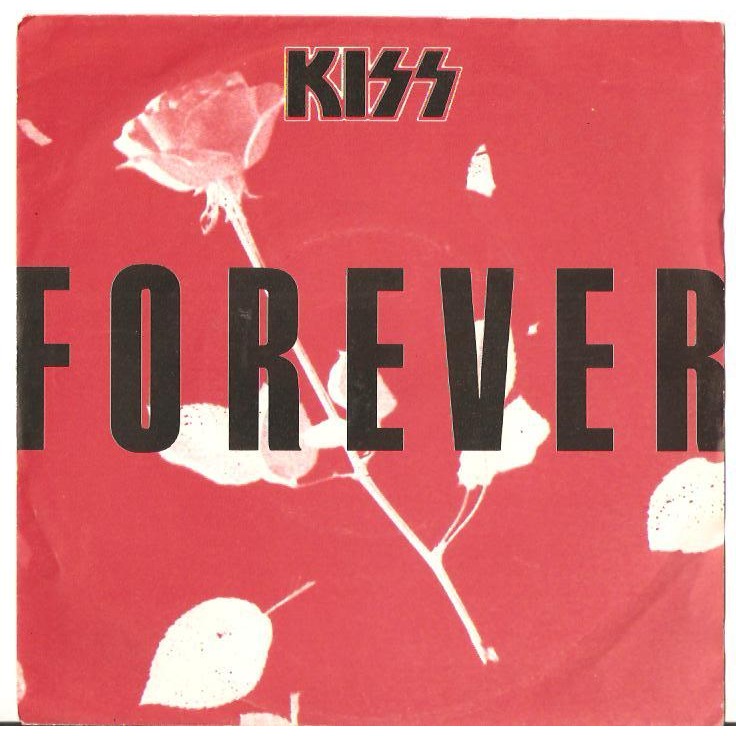
The album featured fifteen tracks, more than any other KISS studio album released over the band’s entire existence. It featured three singles. The first single, Hide Your Heart, peaked at #66 on the Billboard Hot 100. The second single, the power ballad Forever, became KISS’ biggest charting hit since Beth reached #7 on the Billboard Hot 100 in 1976. Forever topped out at #8 on the same chart, just one position shy of matching Beth. The final single, Rise To It, limped to #81 on the Billboard Hot 100 chart. The album topped out at #29 on the US Billboard 200.
Track Listing:
Rise To It (Single)
Betrayed
Hide Your Heart (Single)
Prisoner Of Love
Read My Body
Love’s A Slap In The Face
Forever (Single)
Silver Spoon
Cadillac Dreams
King Of Hearts
The Street Giveth And The Street Taketh Away
You Love Me To Hate You
Somewhere Between Heaven And Hell
Little Caesar
Boomerang
Personnel: Eric Carr (drums, percussion, backing vocals, lead vocals and bass on Little Caesar), Bruce Kulick (lead guitars, backing vocals, acoustic guitar solo on Forever), Paul Stanley (lead vocals, backing vocals, rhythm guitars, brass arrangement on Cadillac Dreams), Gene Simmons (lead vocals, backing vocals, bass)
Paul Stanley sang lead vocals on seven tracks. Gene Simmons, as he did on most of the band’s 80’s releases, sang lead vocals on the other half of the tracks, seven in all. In addition, Eric Carr took on lead vocals for Little Caesar, the first member of the band to sing lead on a studio album other than Simmons or Stanley since Music From The Elder (1981). Additional musicians included Phil Ashley (keyboards), All Star Cadillac Brass, The Sisters of No Mercy (backing vocals), Kevin Valentine (drums), and Pat Regan (saxophone).
This is also the first album by the band to feature input from future lead guitarist/Space Man, Tommy Thayer. Thayer played the electroacoustic guitar on Betrayed and The Street Giveth And The Street Taketh Away. He also co-wrote those two songs with Gene Simmons. Simmons contributed writing on eight of the album tracks. Paul Stanley co-wrote seven tracks. Kulick co-wrote two tracks and Eric Carr co-wrote Little Caesar with Gene Simmons and Adam Mitchell. Additional songwriters included Vini Poncia, Bob Halligan, Jr., Desmond Child, and Holly Knight. I’ll mention another songwriter in a later paragraph.
The album as a whole is somewhat of a letdown to me. I, like many fans of the band, feel that there are just too many filler tracks. Most KISS albums up to that point featured between eight and ten songs. They were fairly short and to the point. HITS, loaded with fifteen tracks, felt bloated and weighed down by a number of forgettable tracks. For me, those forgettable tracks were Love’s A Slap In The Face, Cadillac Dreams, The Street Giveth And The Street Taketh Away, and You Love Me To Hate You. I’d also throw away Read My Body but I have too much fun laughing at its blatantly cheesy lyrics. If it was tossed in, that would give KISS ten good tracks for the album. My least favorite track on the album is You Love Me To Hate You.
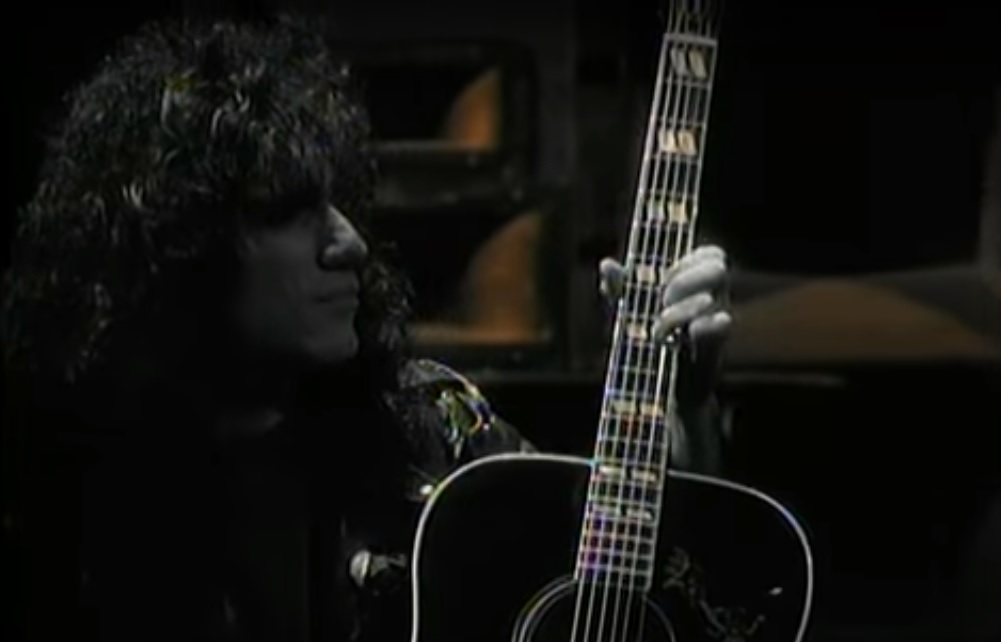
For all of the bad songs on the album, there are also some pretty amazing tracks. First and foremost I have to mention Forever. Yes, a power ballad convinced me to put money down for my first ever KISS album and I don’t regret it one bit. The song, co-written by Paul Stanley and Michael Bolton (yes, THAT Michael Bolton), is simply wonderful. Paul’s voice is powerful on this track and it’s one of his best vocal performances in my opinion. Bruce Kulick’s acoustic solo is one of my favorite not only by him but from the band as a whole.I love this song so much that I championed it to be on the set list at my wedding. My wife refused so I tried to have it played at our reception. To be honest, my reception was a big blur, so I don’t know if it was played there or it fell to the wayside.
Other great songs on this album include Rise To It, Hide Your Heart, Little Caesar, Prisoner Of Love, and Betrayed. Rise To It opens the album with a twinge of twang and goes into a solid pop rocker. In fact, most of the tracks on this album could be defined as heavy pop rock tracks. Many fans claim the song Boomerang, the album’s closer, to be a light speed metal track but I don’t hear it. It’s essentially a sped up pop rocker to me. Betrayed and Prisoner Of Love feature some solid guitar work by Kulick and Gene’s vocals on both tracks are surprisingly strong. If I had to pick a second favorite on this album, it would easily be Hide Your Heart. It’s a great story song and you can visualize it while Paul is pumping out the lyrics.
Ultimately, HITS has more misses. Most KISS albums feature a few outstanding tracks, a few solid songs, and possibly one forgettable track, but HITS has at least four (arguably five) real stinkers, three amazing tracks, and a few other good tracks that can’t make up for the disastrous tracks like Cadillac Dreams. I keep Forever and Hide Your Heart in my regular rotation. I have tried multiple times and failed to match Paul’s voice on Forever. I cannot say the actual word “forever”and have it sound as good as it does when Paul hits that note. KISS was definitely experimenting with their songwriting abilities on this album as Hide Your Heart is pretty unique in the KISS catalog. Overall, I love a few songs on this album, dislike many more, but have fond memories of listening to this album as a kid.
So there you have it. I love this album…..but I hate it. It’s got hits, more misses, and too much filler. It has one of my all time favorite KISS tracks and many more of my least favorites. Next week I’ll be looking at Revenge, the kick in the teeth that KISS and music in general desperately needed. Thanks for checking out my post!
Many Scream Queens are known for having multiple roles in horror films, usually B-movies, and perhaps one or two of the major horror franchises. Some only need one film to be dubbed a Scream Queen. A select few, however, manage to star in multiple major horror franchises, happily take on lesser roles in B-movies so that the film gains “name” recognition, and do it successfully for decades. Today’s Scream Queen, Dee Wallace, is one of those select few.
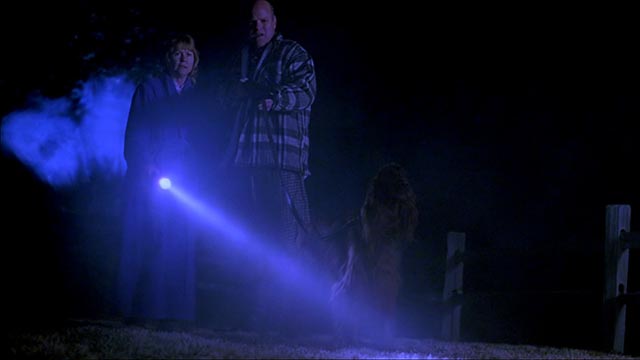
I’ll rattle off just a few of the films that Ms. Wallace, sometimes credited as Dee Wallace-Stone in some films, has appeared in over the years: Cujo (1983), The Hills Have Eyes (1977), The Frighteners (1996), Critters (1986), Halloween (2007), and The Howling (1981). That’s just a short list of the major horror films that she’s appeared in over her career. She has also appeared in a ton of B and direct-to-video horror films as well. Here are a few of them: Abominable (2006), Headspace (2005), Hansel & Gretel (2013), The Nest (2021), and Ejecta (2014). That’s pretty impressive.
Oh, and I didn’t even mention that she’s also appeared in a number of non-horror box office hits like E.T. The Extra-Terrestrial (1982), and 10 (1979), and has a long and successful career on television as a guest star on shows like CHiPs, The Twilight Zone, Starsky & Hutch, L.A. Law, and Simon & Simon, and had a starring role in two television shows as well. Ms. Wallace is definitely no slacker!
As much success as she’s had outside of the genre, Wallace just seems to be the perfect fit for horror films. She often played the young mom or single mother in many of her early horror roles. As she got older, she shifted to playing roles that were often the scared older woman or the wicked older lady. Rob Zombie has cast her in four of his films, the most recent being The Munsters (2022) as an announcer. He also cast her in The Lords of Salem (2012), 3 From Hell (2019), and Halloween (2007).
Wallace is an amazing actress. She literally has too many film and television credits (272 at the time of this writing) to list them all. She’s not only a prolific horror actress. She’s also a prolific actress in general. For horror fans, I recommend her work in The Howling, Cujo, Critters (and Critters Attack from 2019 for nostalgia purposes), and Halloween. I also recommend checking out Abominable. She isn’t in the film for very long but it’s one of the best Bigfoot flicks you’ll ever see!
Thanks for checking out today’s post. Dee Wallace is one of my favorite actresses and I am forcibly cutting myself short with this post so that I don’t ramble too much! Thanks for checking it out. I’ll see you tomorrow with another Scream Queen and the next entry in The Year of KISS!
Way back in 1999, a young Cerina Vincent appeared as Maya/The Yellow Galaxy Ranger in Power Rangers Lost Galaxy. It was a family friendly television series that was part of the highly popular Power Rangers franchise. After her work on that series came to an end, Vincent continued working on television, primarily in one off roles on shows like Malcolm In The Middle, City Guys, and Ally McBeal.
In 2001, she had her first major film role as Areola, the foreign exchange student in the comedy spoof, Not Another Teen Movie. The role, which required Vincent to appear completely nude throughout the film, received mixed reactions. According to Ms. Vincent, the role, her first one featuring on-screen nudity, disturbed many of her Power Rangers fans. Vincent stated that shooting her scenes wasn’t a bad experience but she wasn’t ready for the way that many of her fans would judge her for appearing nude in the film.
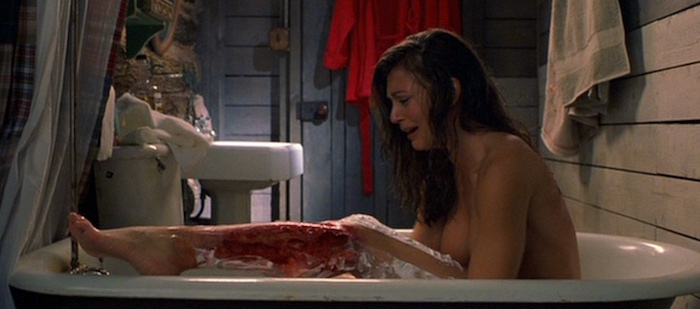
Vincent followed up Not Another Teen Movie on the big screen with her first major horror role as Marcy in Cabin Fever (2002). The role once again called for Vincent to appear nude. She agreed to appear topless in the film but refused to show her bottom on screen. Director/Writer of Cabin Fever, Eli Roth, clashed with Vincent over the scene involving her exposed bottom. She feared being typecast as the girl that’s always ready to appear nude and Roth apparently felt that bottom nudity was essential to the scene. Ultimately she agreed to show one inch of her butt crack in the scene. A tape measure was brought out, Vincent was measured, and the bed sheet was taped to her buttocks to prevent them from slipping off and exposing more than she was comfortable with in the movie. Vincent also appeared in one of the most famous scenes in the film, the very uncomfortable to watch “shaving” scene where bits of Vincent’s flesh peeled off of her body as she tried to shave her legs.
After Cabin Fever, Vincent began regularly appearing in more horror films, most of which were released straight-to-video or television. Despite being released this way, many of them are surprisingly well done. Vincent’s performances in each of these films, no matter how the rest of the cast or production was received, has been highly praised. Most notably, her work in It Waits (2005) and Sasquatch Mountain (2006) was considered to be the saving graces for both of these films. Some of the other horror films that Cerina has appeared in include Intermedio (2005), Return To House On Haunted Hill (2007), Freaks of Nature (2015), and Tales of Halloween (2015). She is also scheduled to appear in Flesh, an upcoming horror film that features fellow Scream Queens Danielle Harris and Tiffany Shepis.
Vincent has also maintained a presence on television. She has appeared in guest starring roles on shows like Two And A Half Men, Workaholics, and NCIS: Los Angeles. She also regularly appears in made-for-TV movies including starring in the Hallmark Channel film The Thanksgiving House. On top of that, Vincent returned to family shows when she portrayed Suzy Diaz, the mother of seven children, on the Disney Channel series, Stuck In The Middle, which also starred Jenna Ortega of the most recent Scream film and the upcoming Tim Burton/Netflix series, Wednesday.
Vincent has done a surprisingly excellent job of balancing her career between roles in multiple genres while at the same time cementing her place as a Scream Queen. She also successfully avoided being typecast as the sexy girl or the girl willing to do nudity in films all while accepting those types of roles at times. To top it all off, Vincent is a genuinely good actress who I believe deserves more prominent roles in film and television.
Be sure to check out It Waits, Cabin Fever, and Sasquatch Mountain. All three of these films are very good (although Cabin Fever loses its way a bit), and Vincent does a fine job in all of them.
I hope that you enjoyed today’s Reign of the Scream Queens entry. I’ll see you again tomorrow!































 Ken's Alternate Universe!